1

Description Collective housing
Location Saavedra, Buenos Aires, Argentina
Area 900 m2
Team Florencia Lopez Iriquin, Natalia Kahanoff, Lucila Ottolenghi, Luciana Casoy, Jimena Jalife, Dina Zvik
Photography Fernando Schapochnik
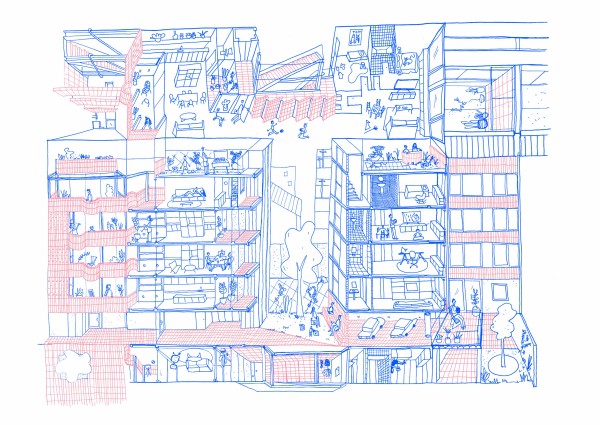
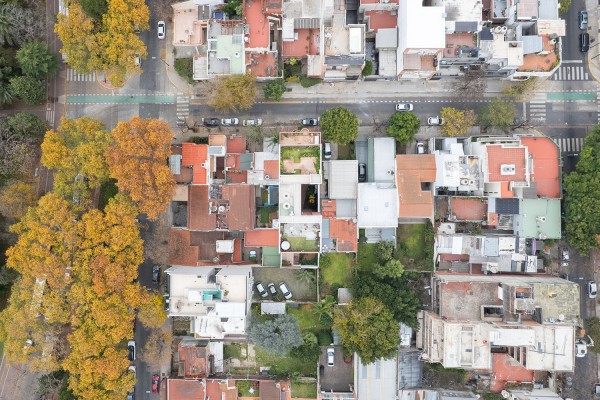
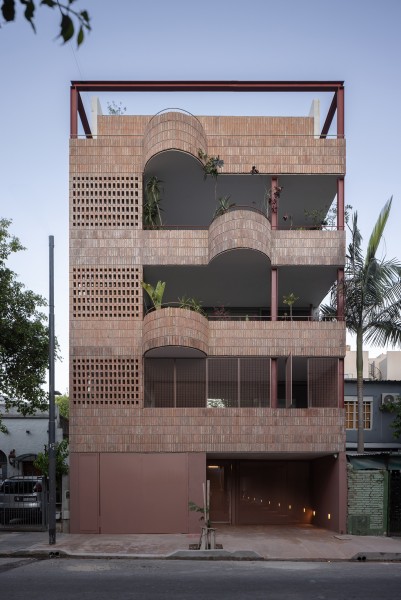
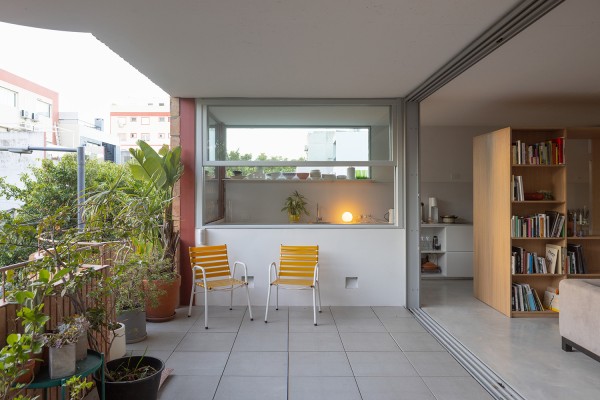
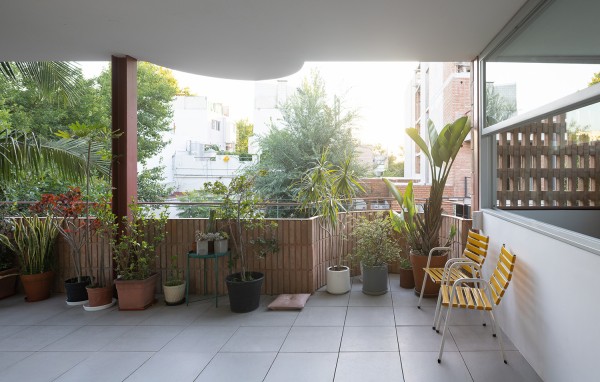
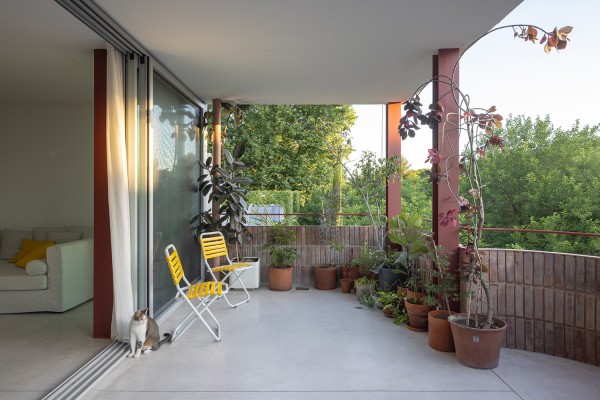
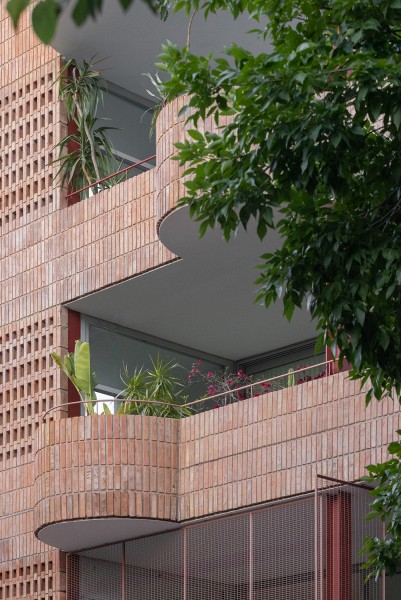
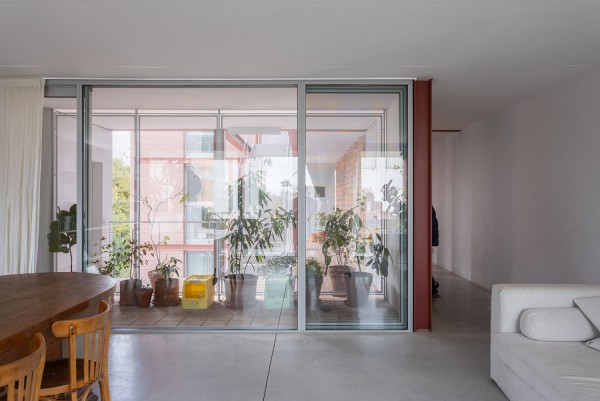
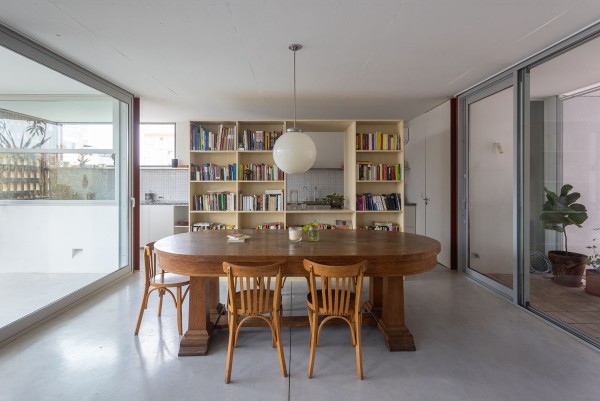
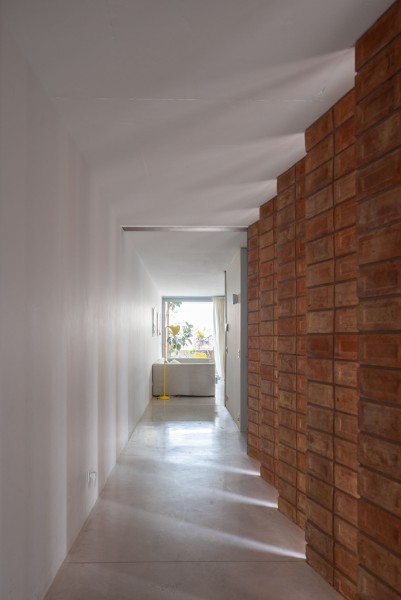
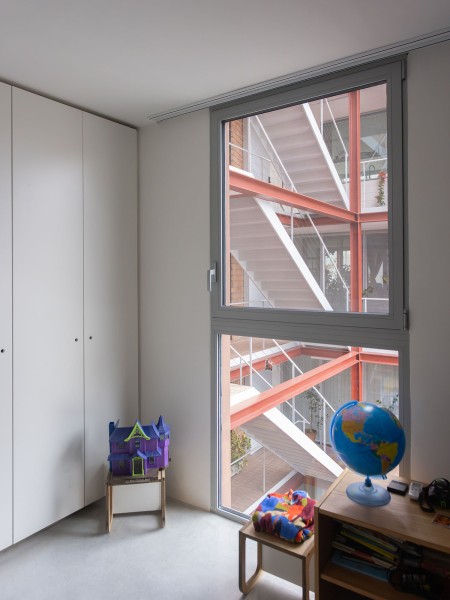
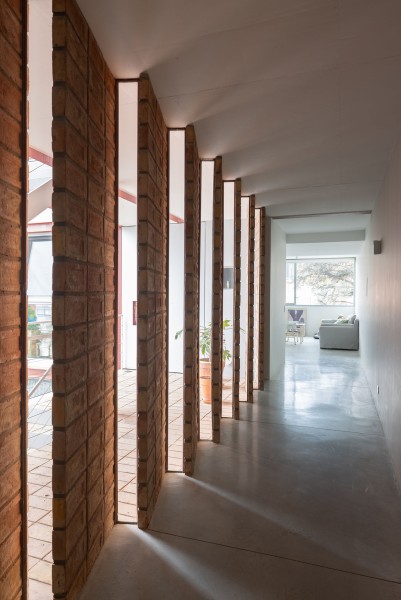
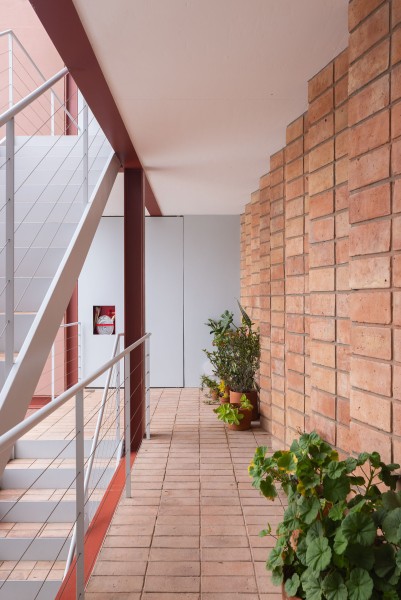
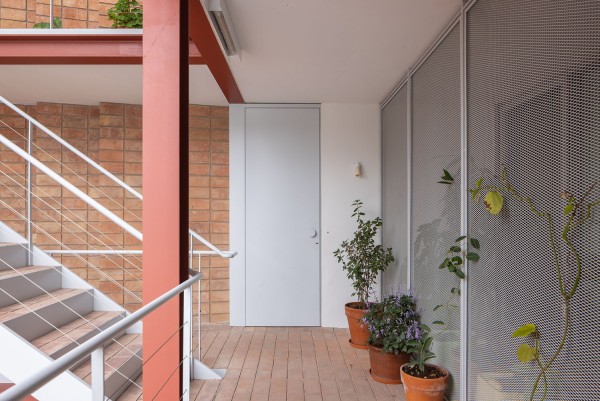
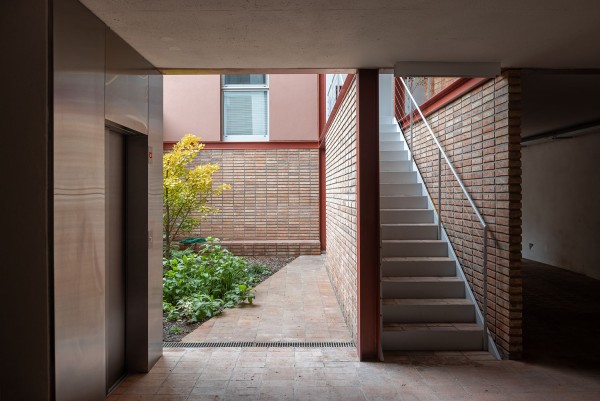
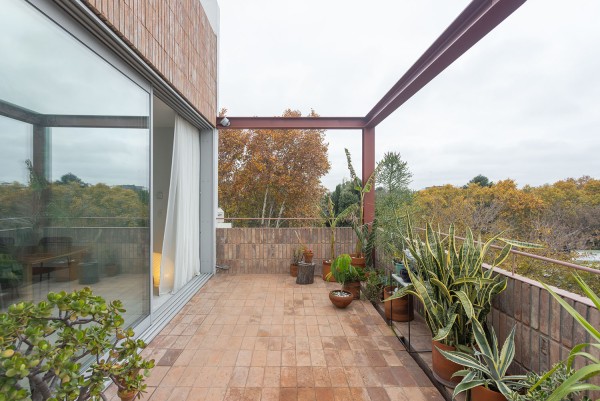
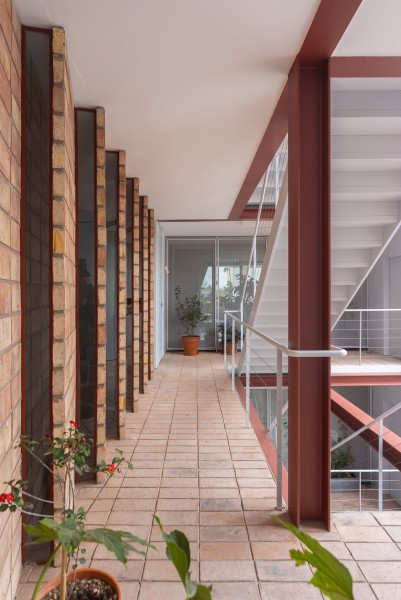
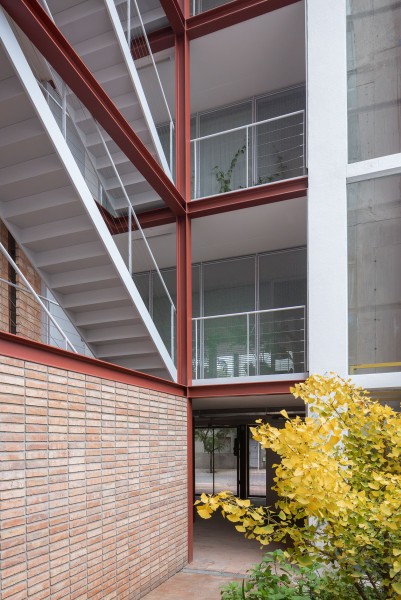
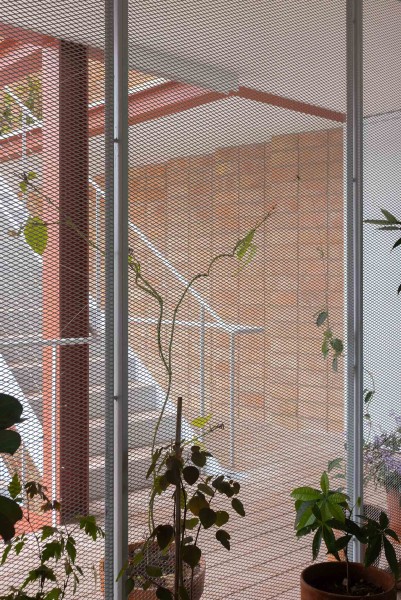
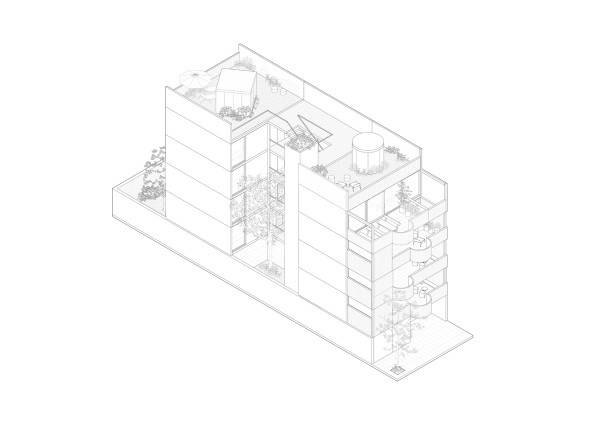
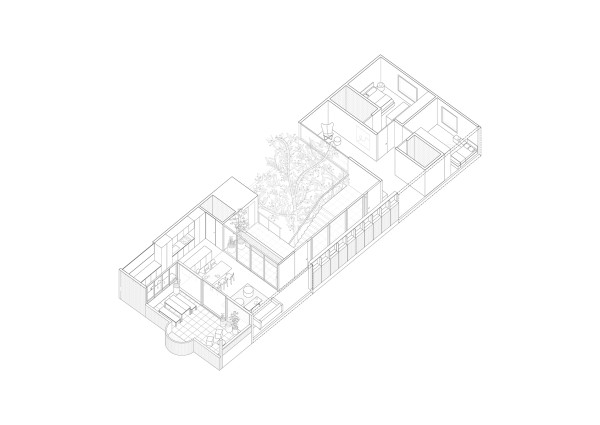
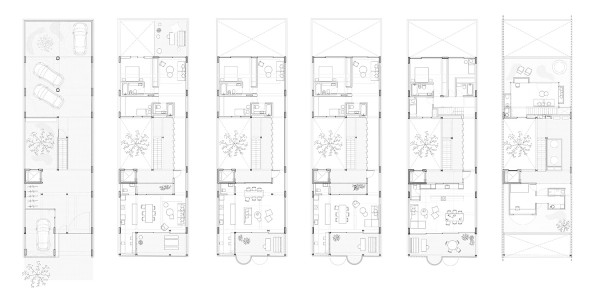
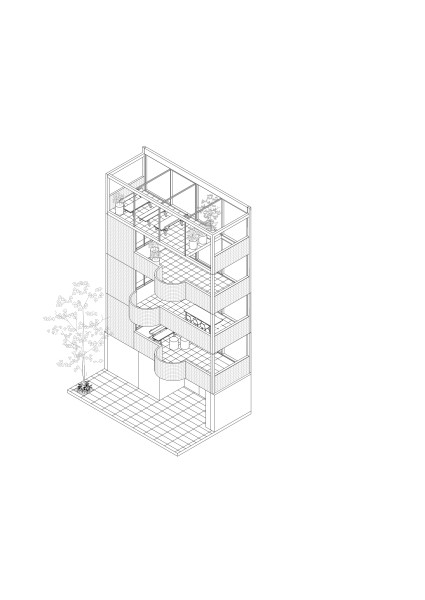
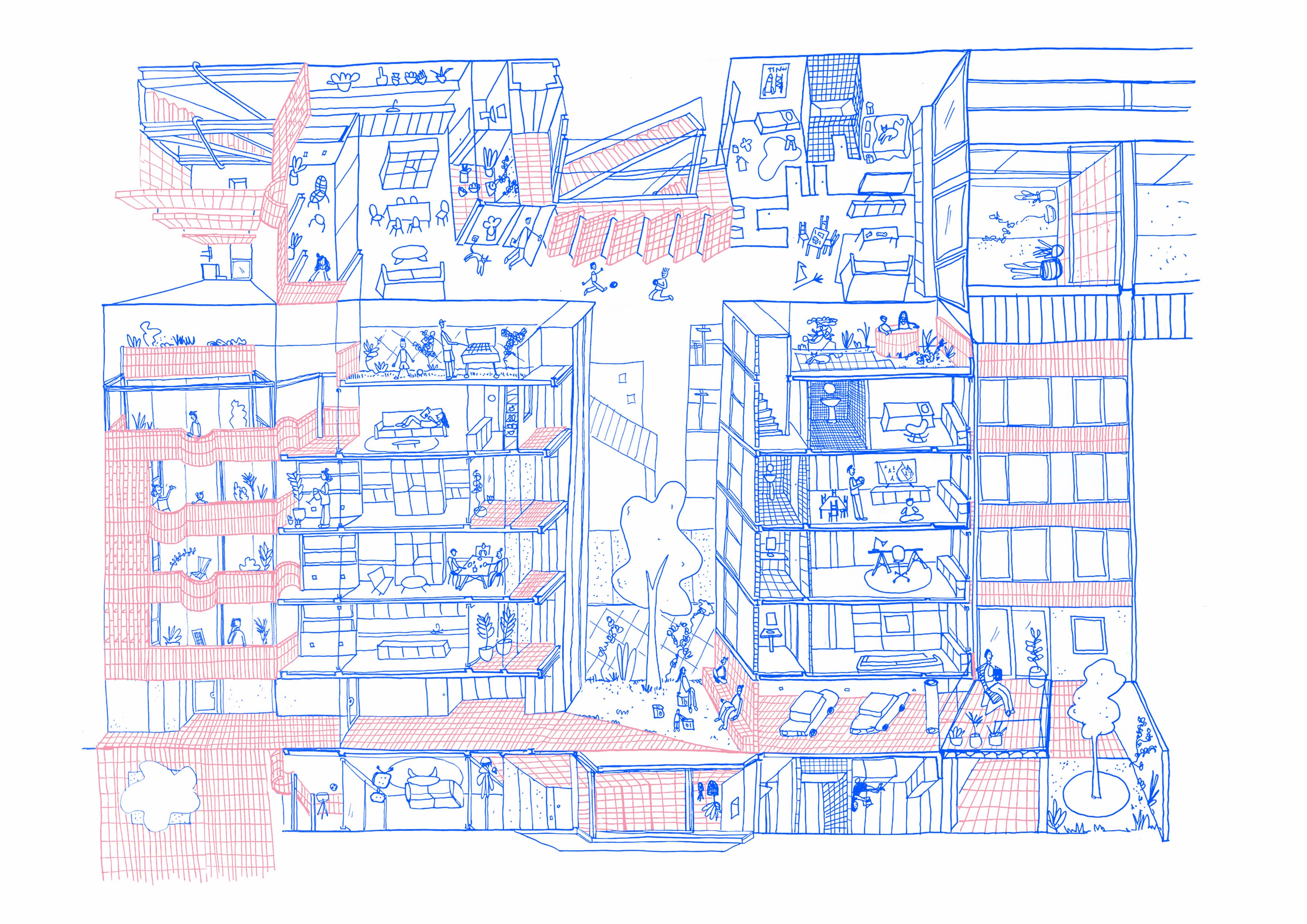
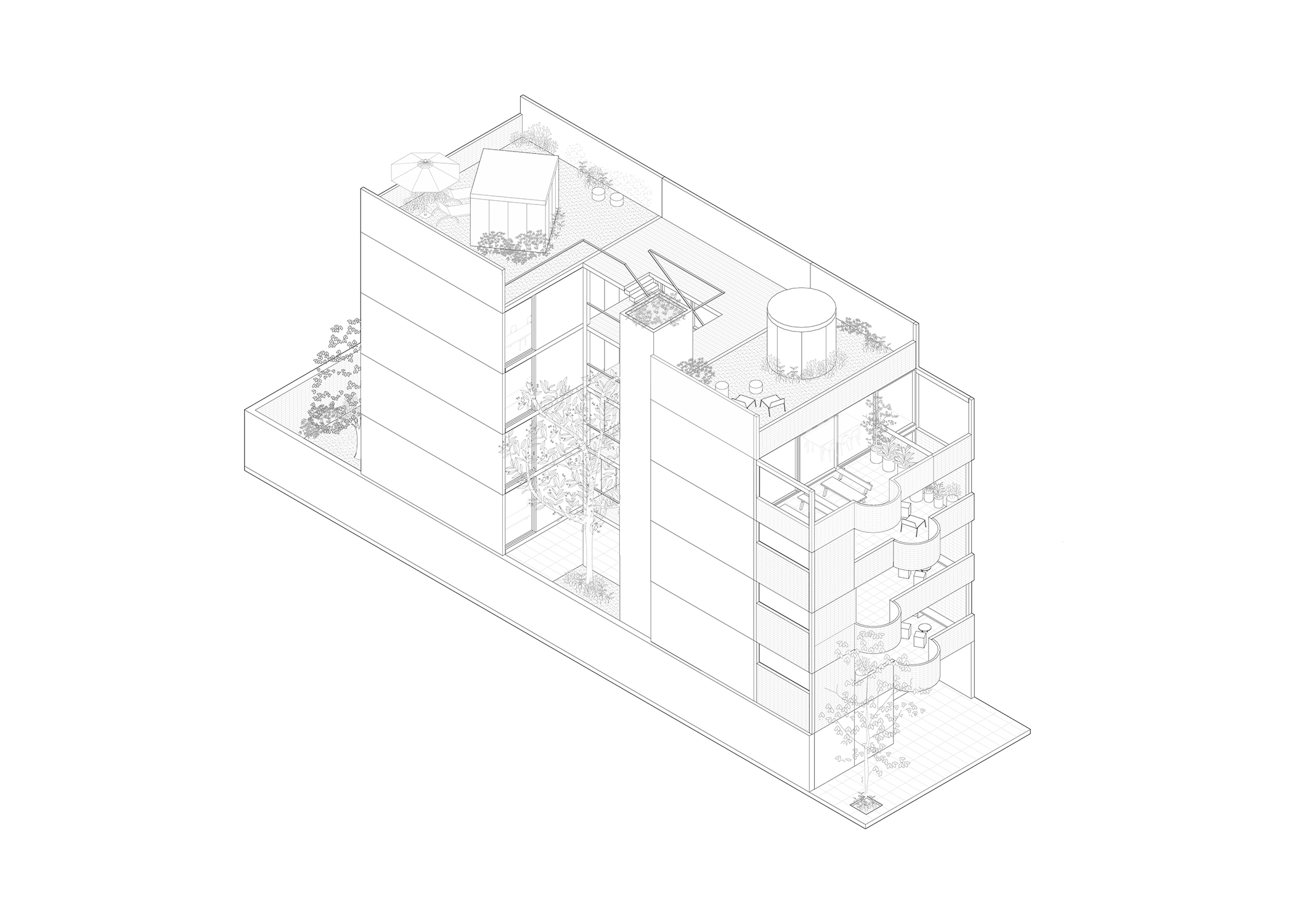
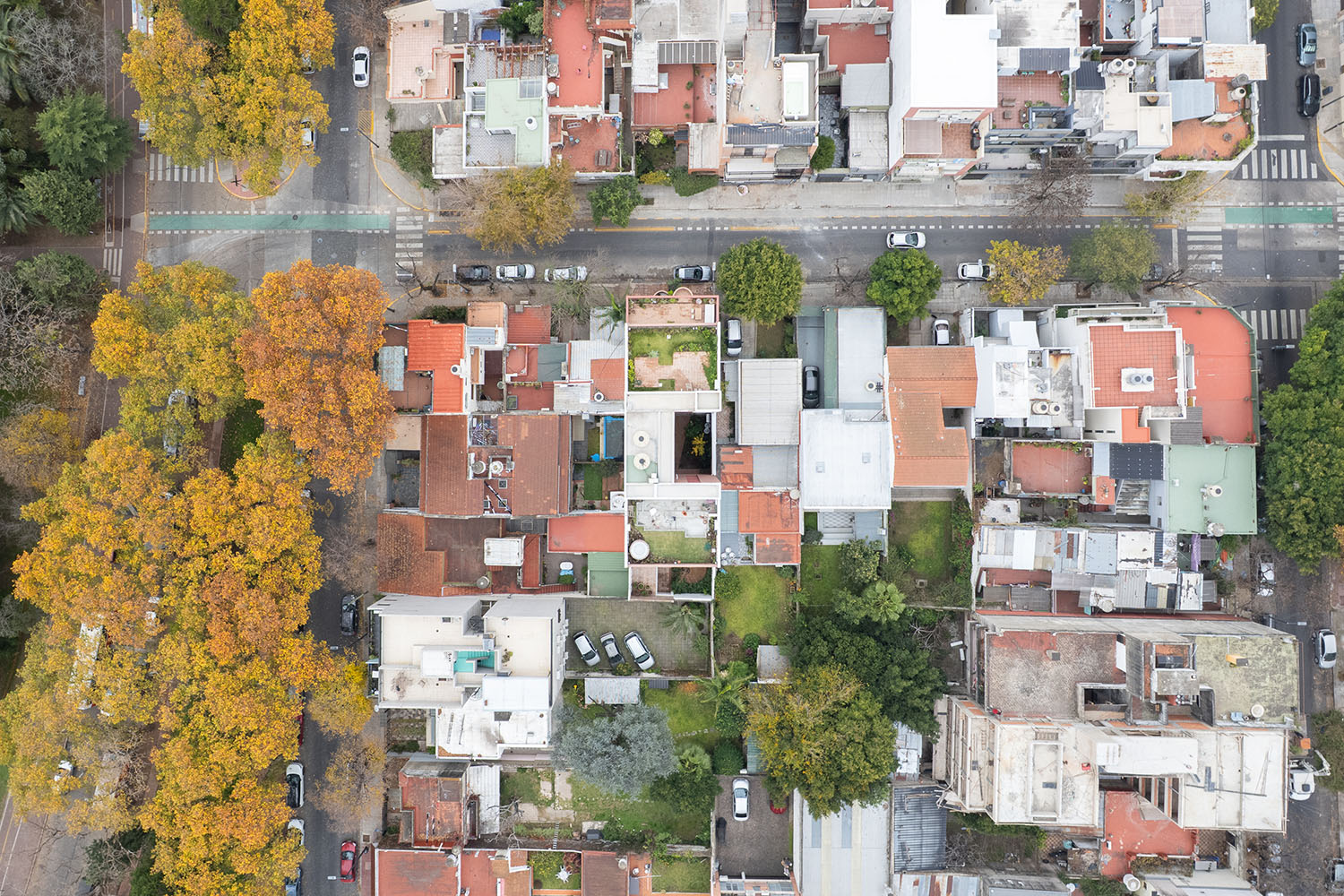
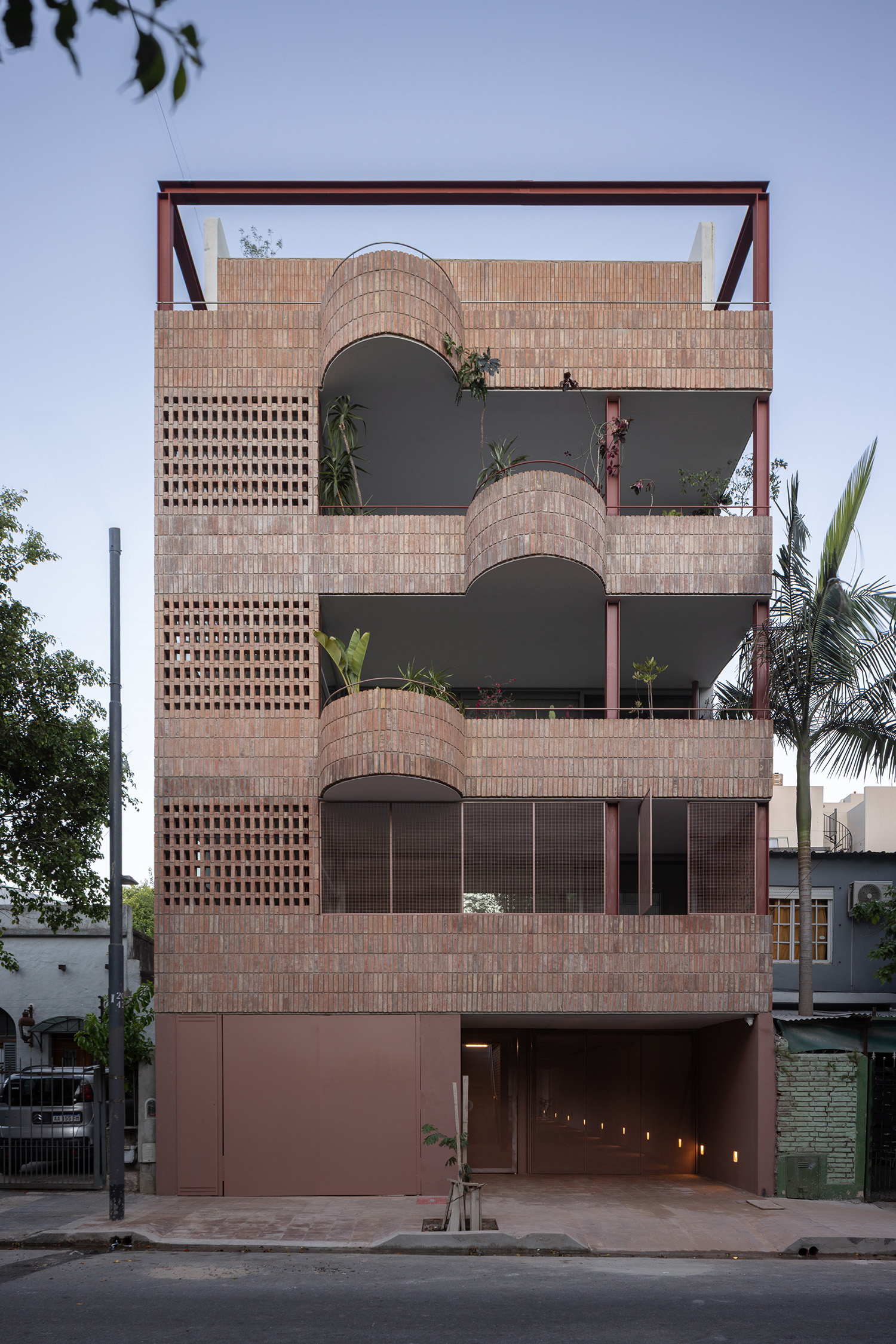
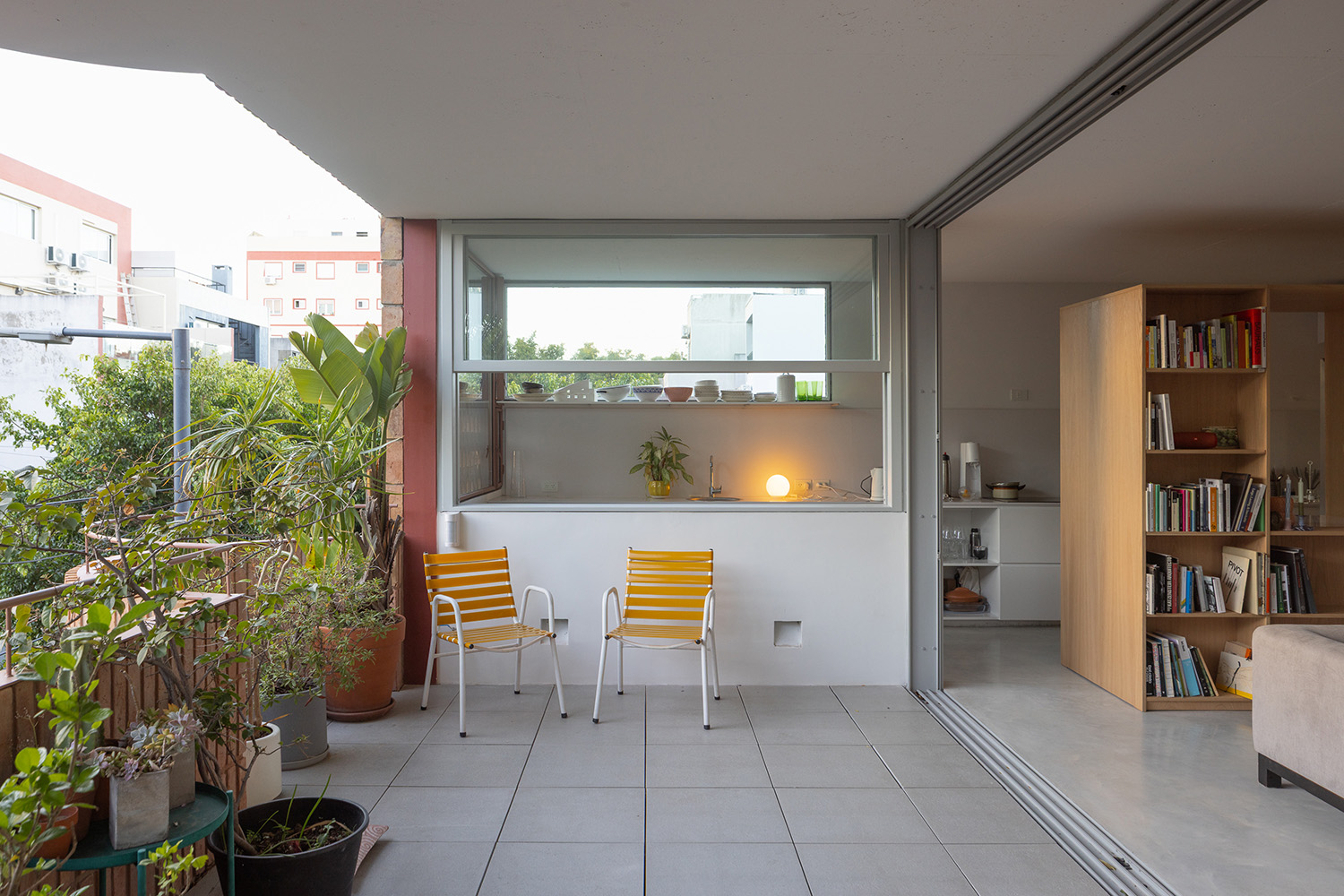
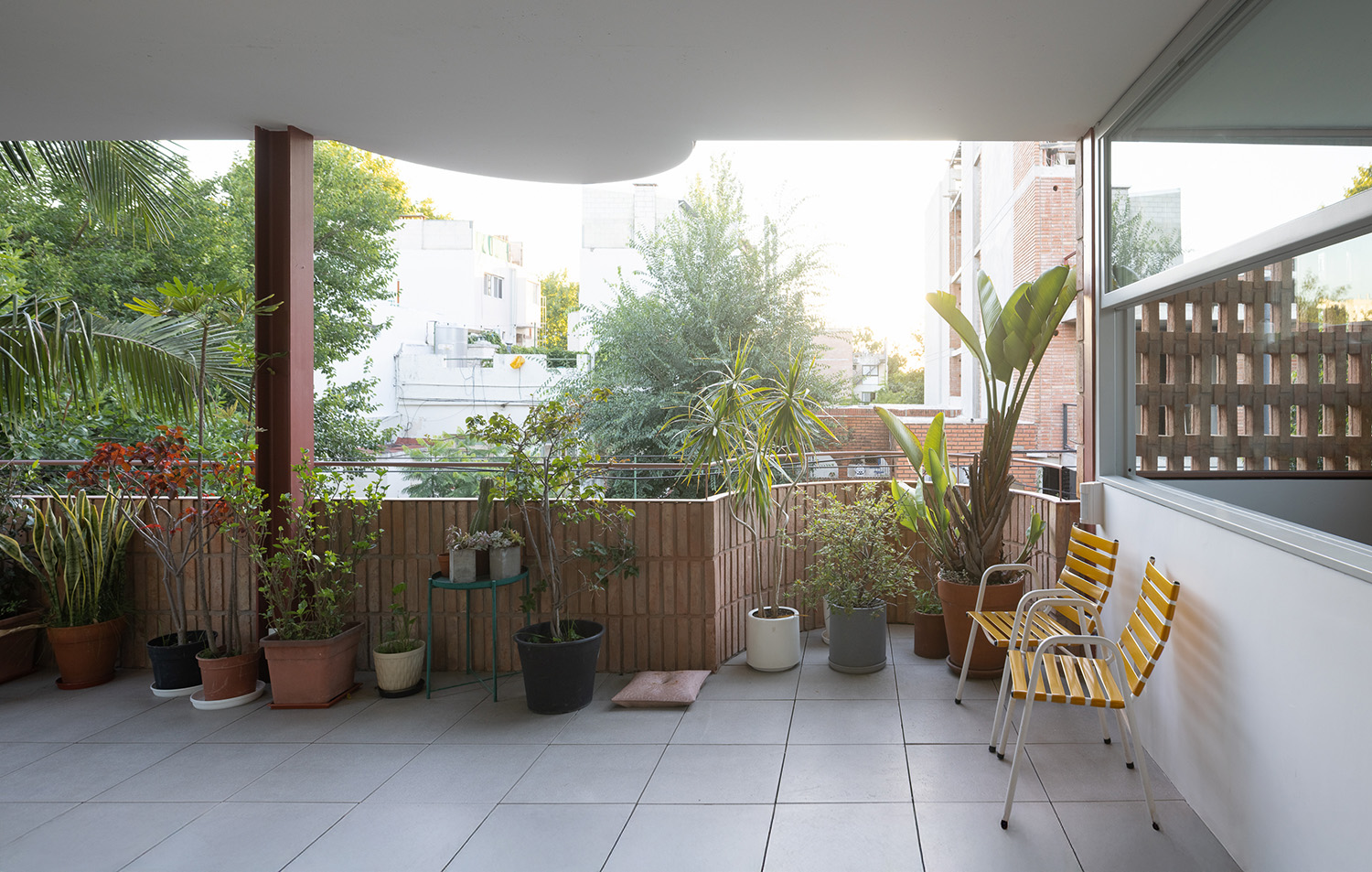
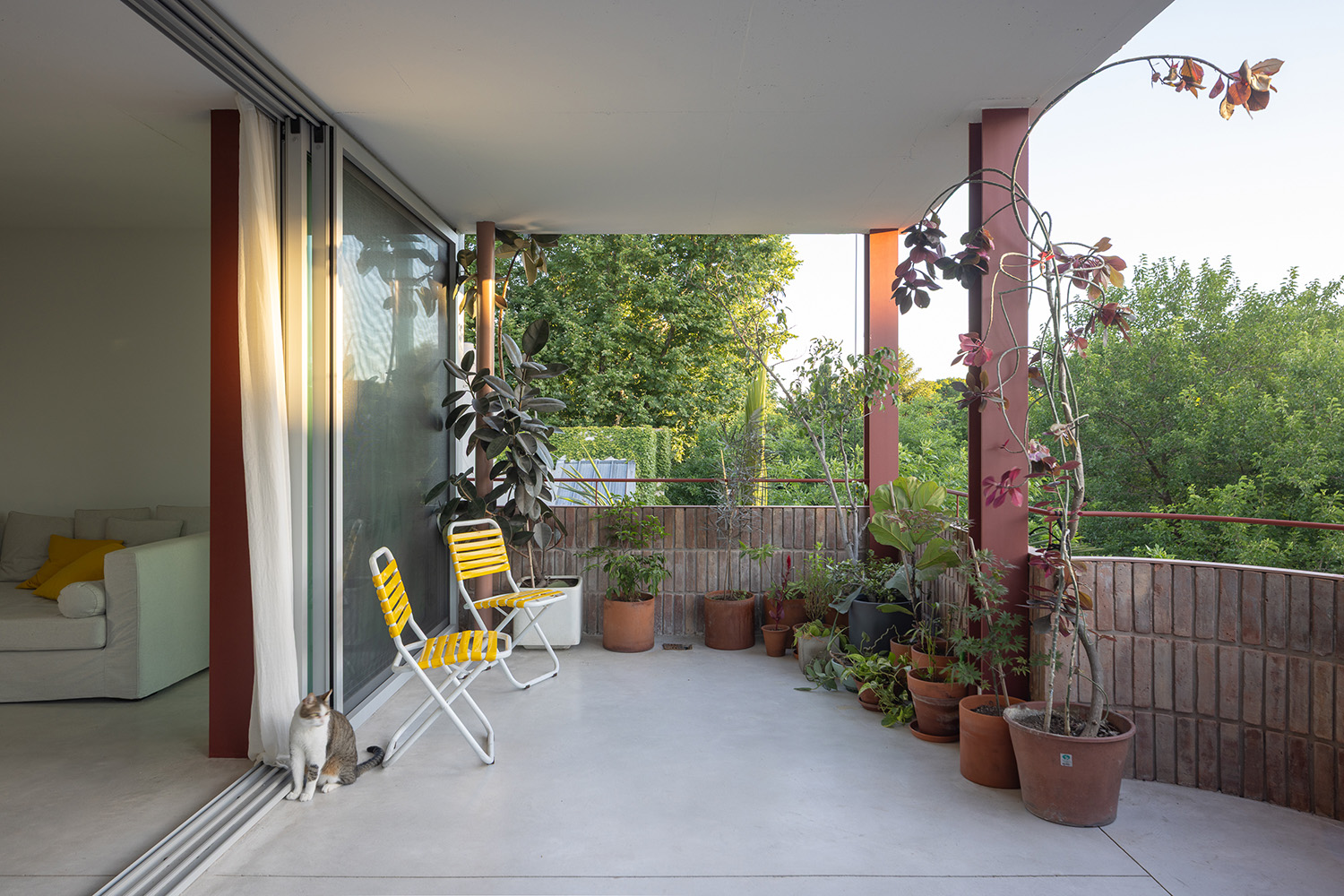
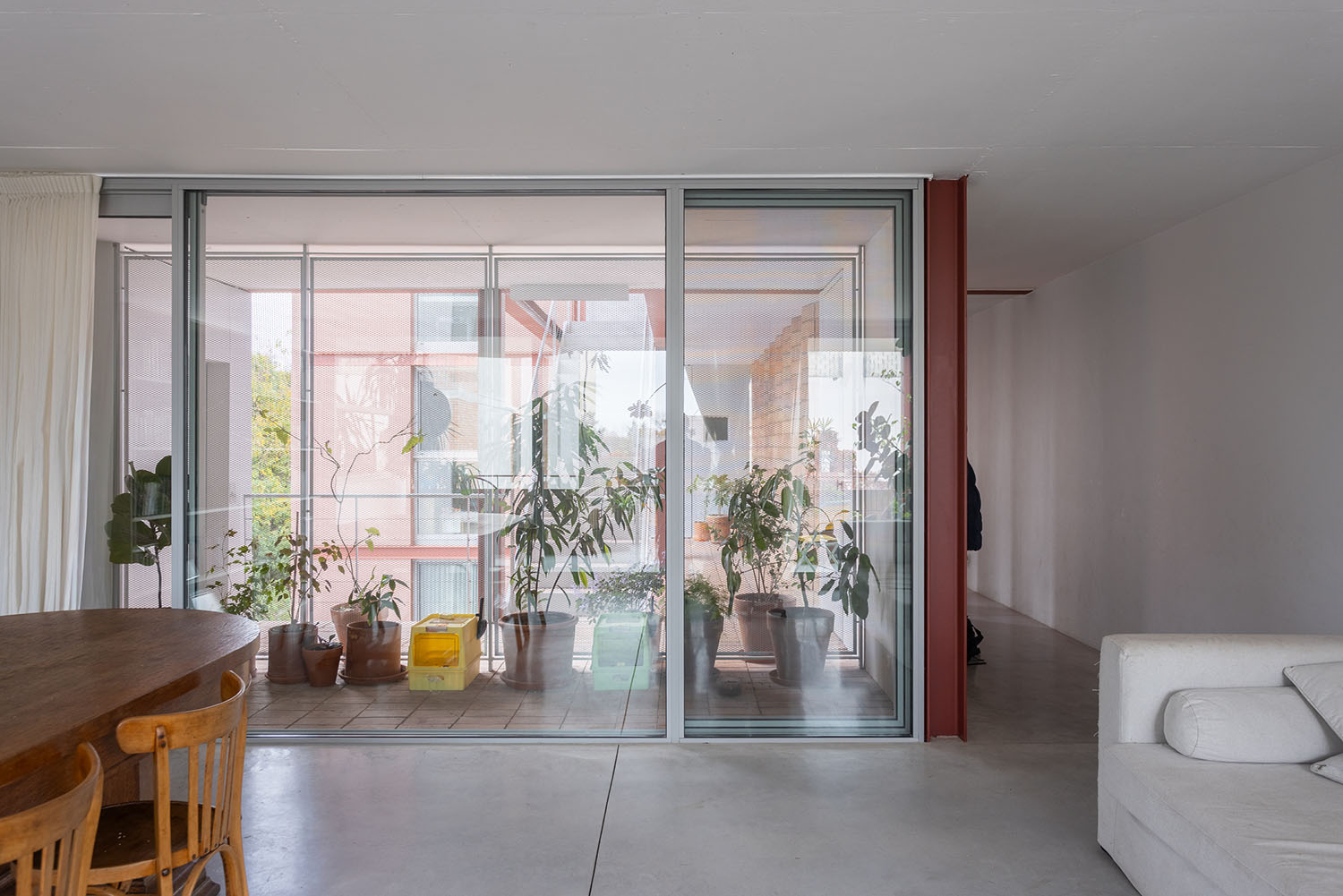
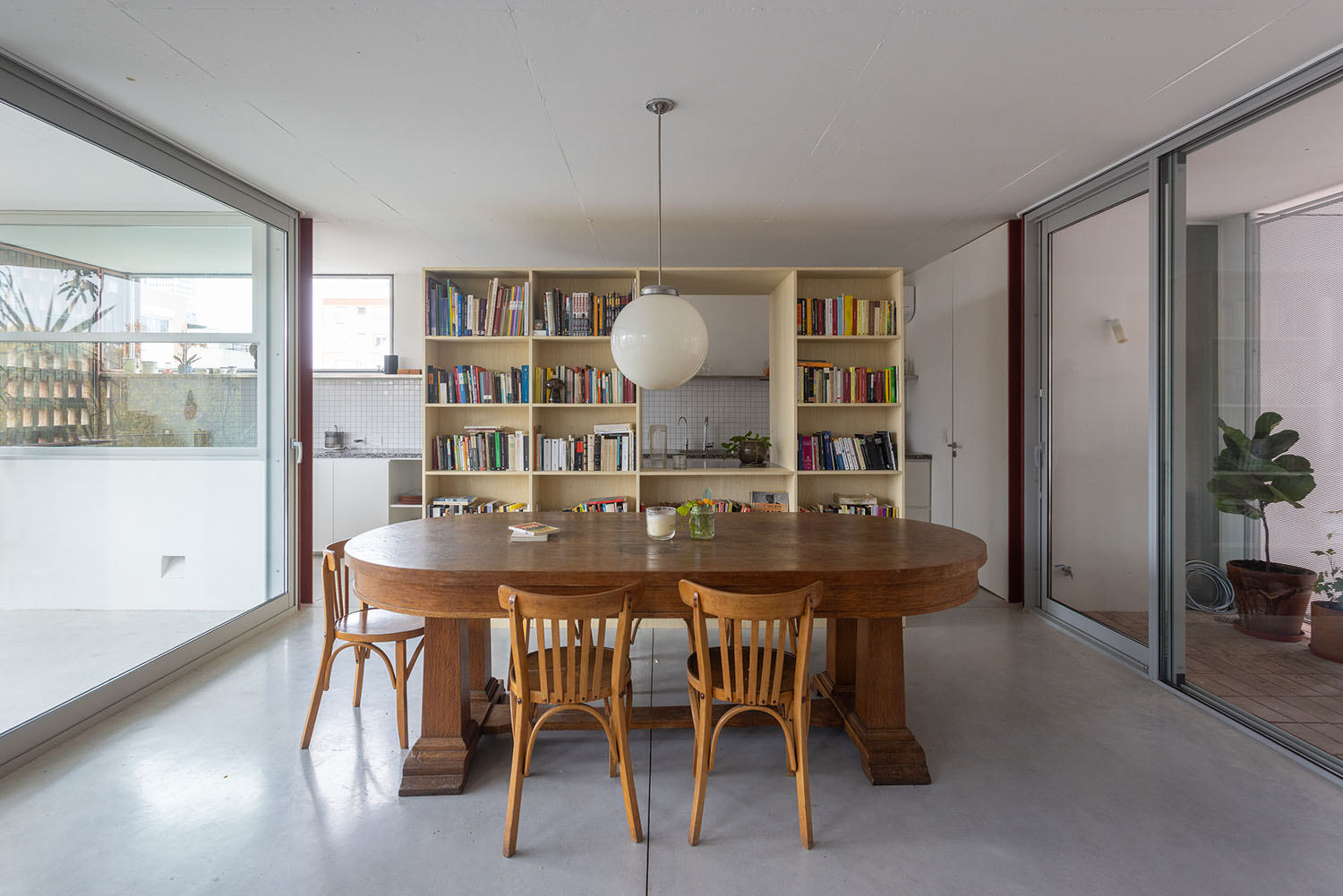
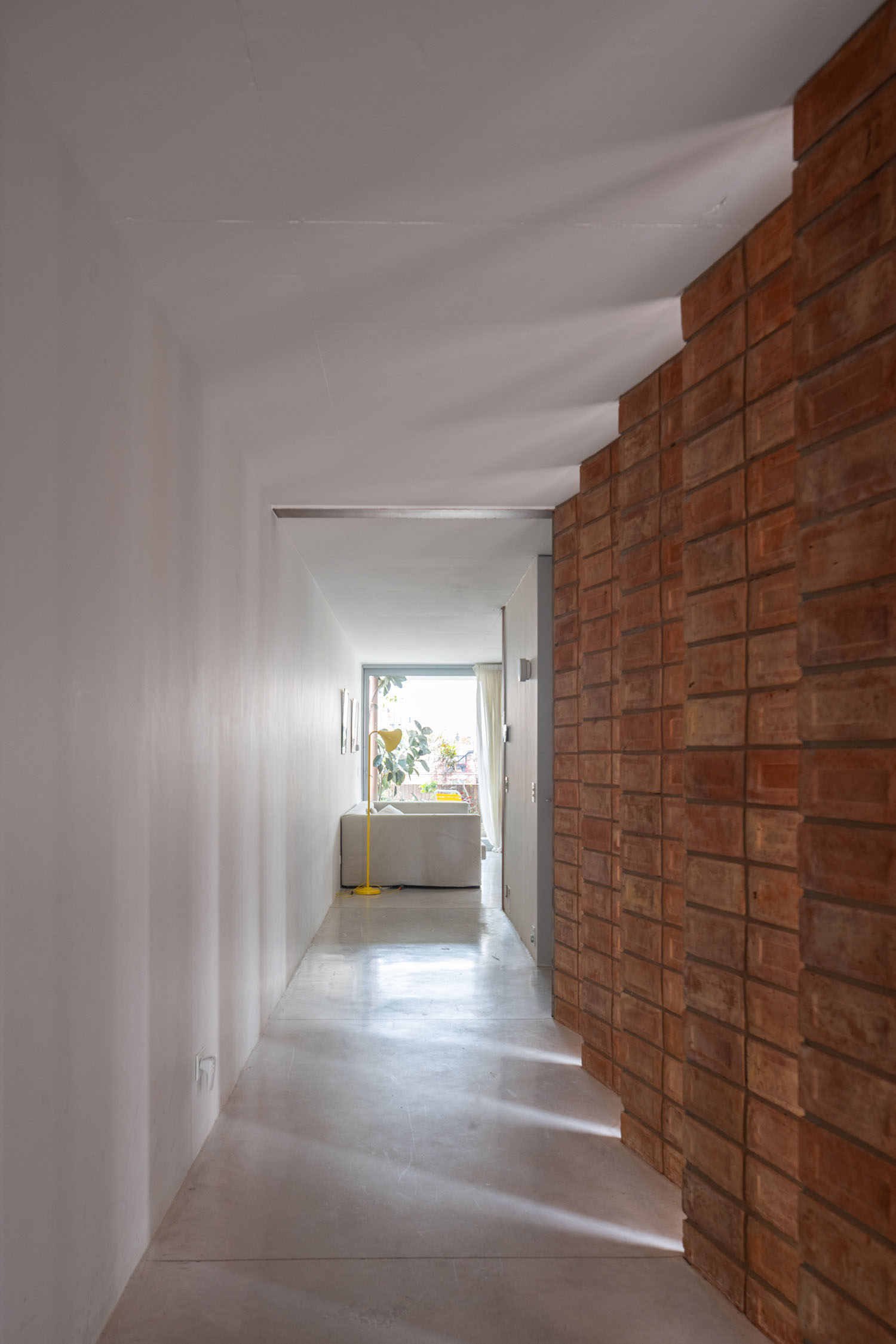
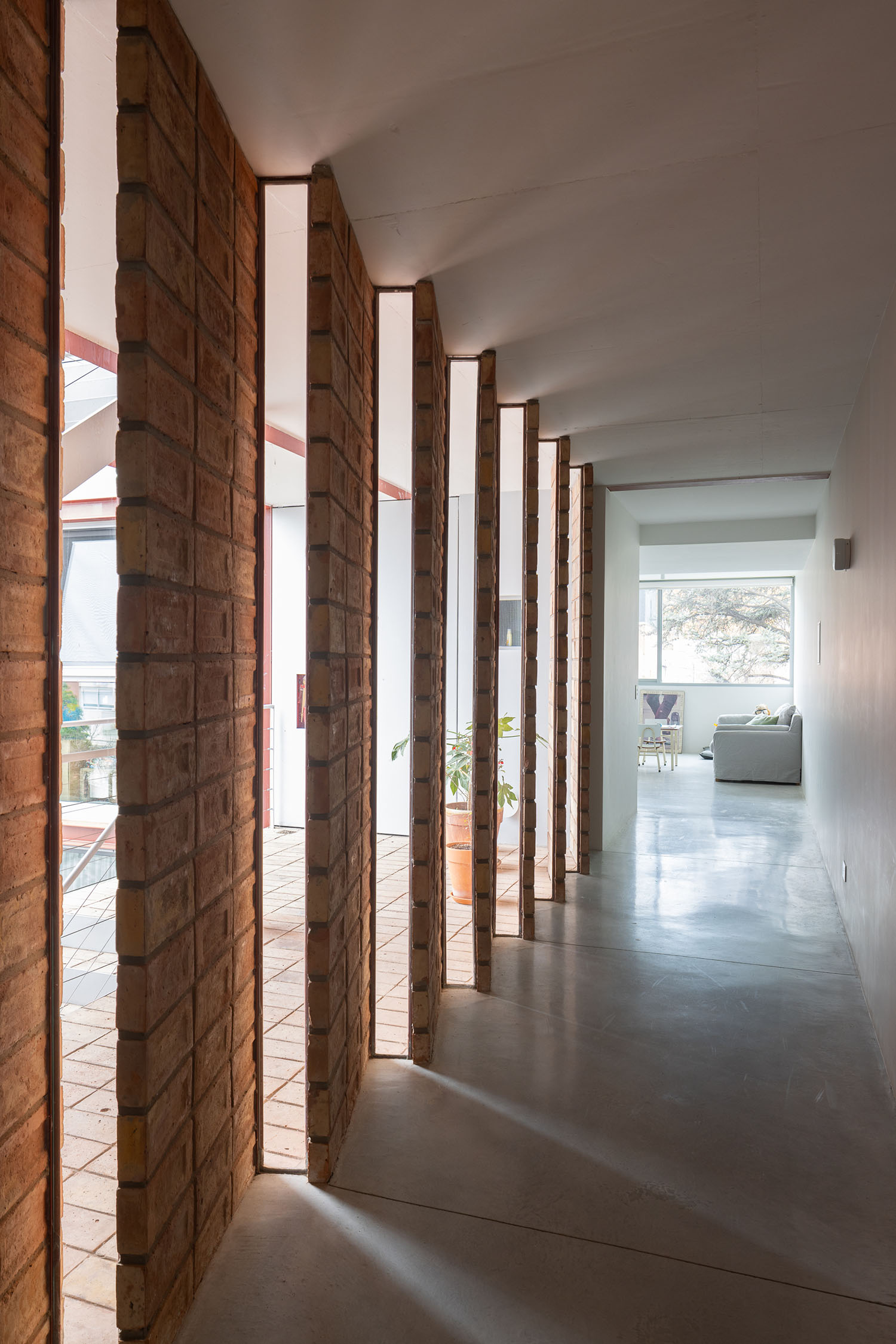
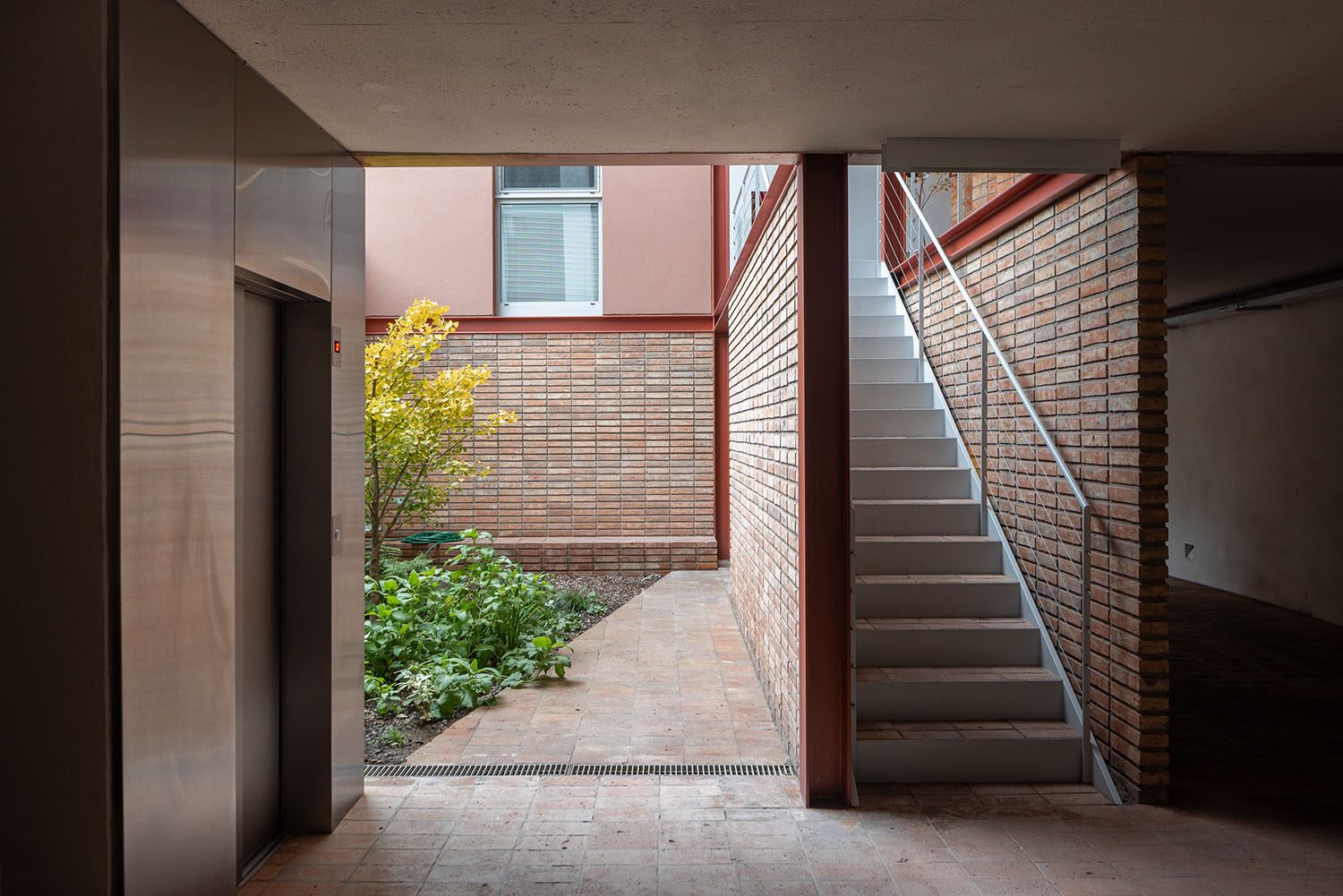
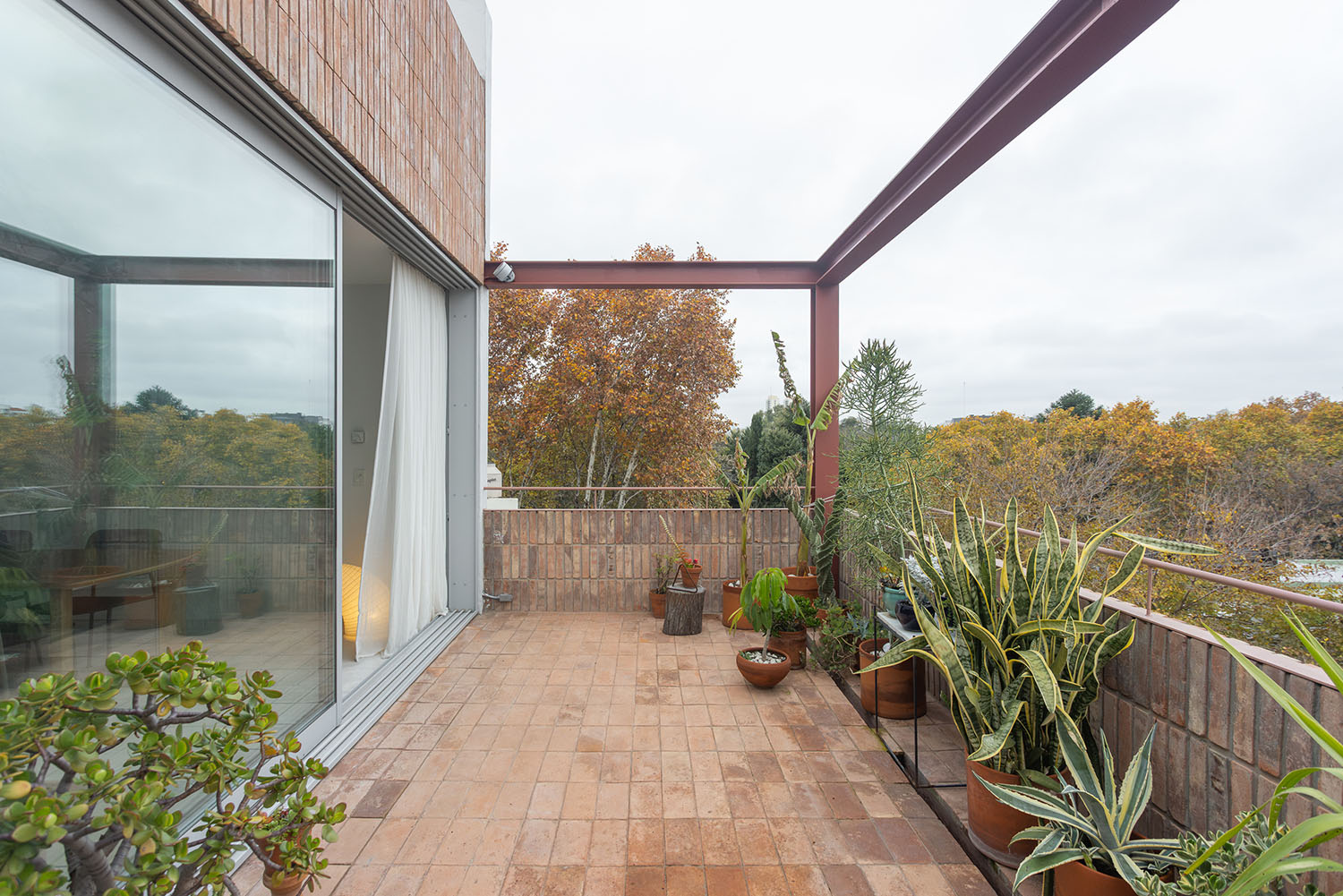
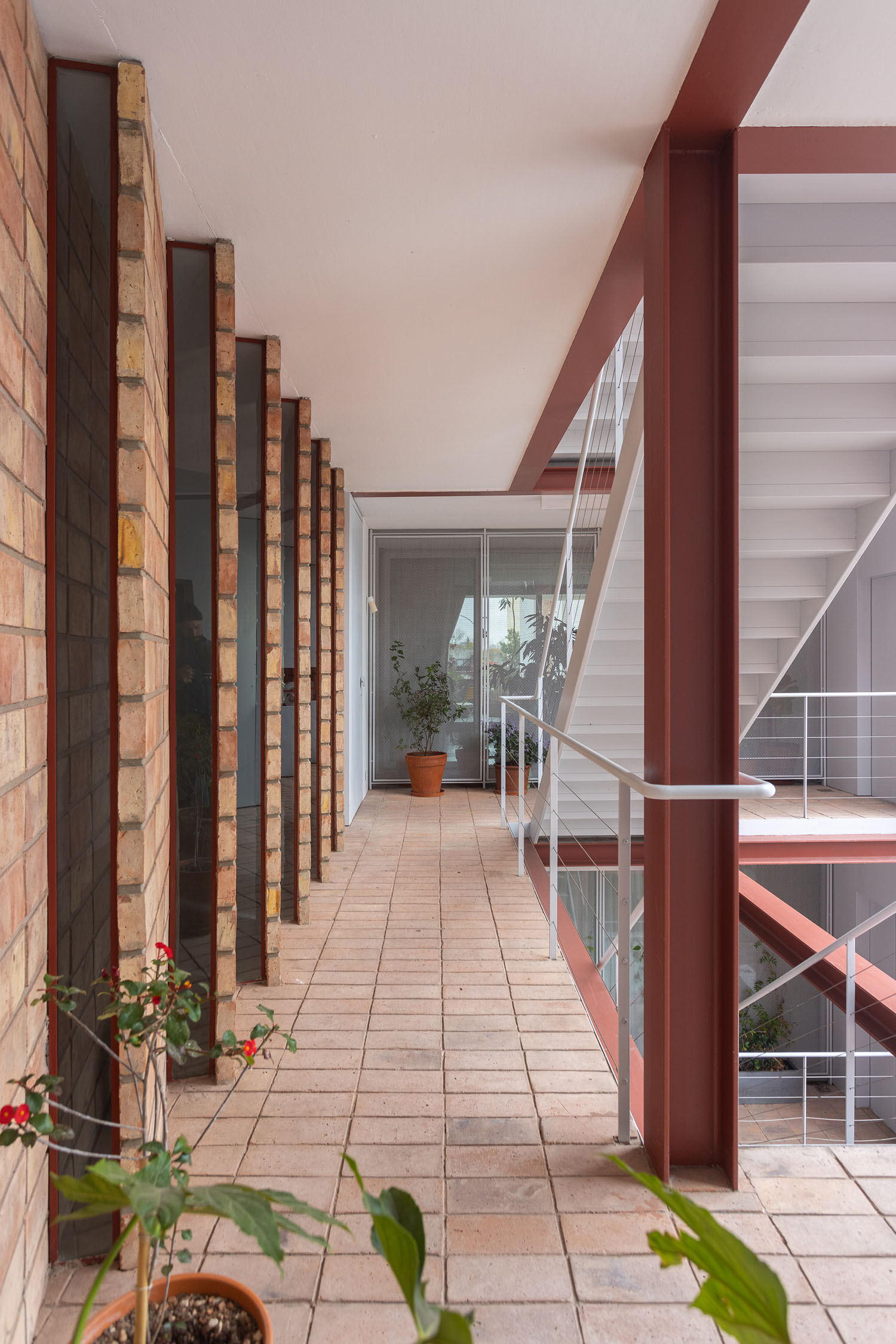
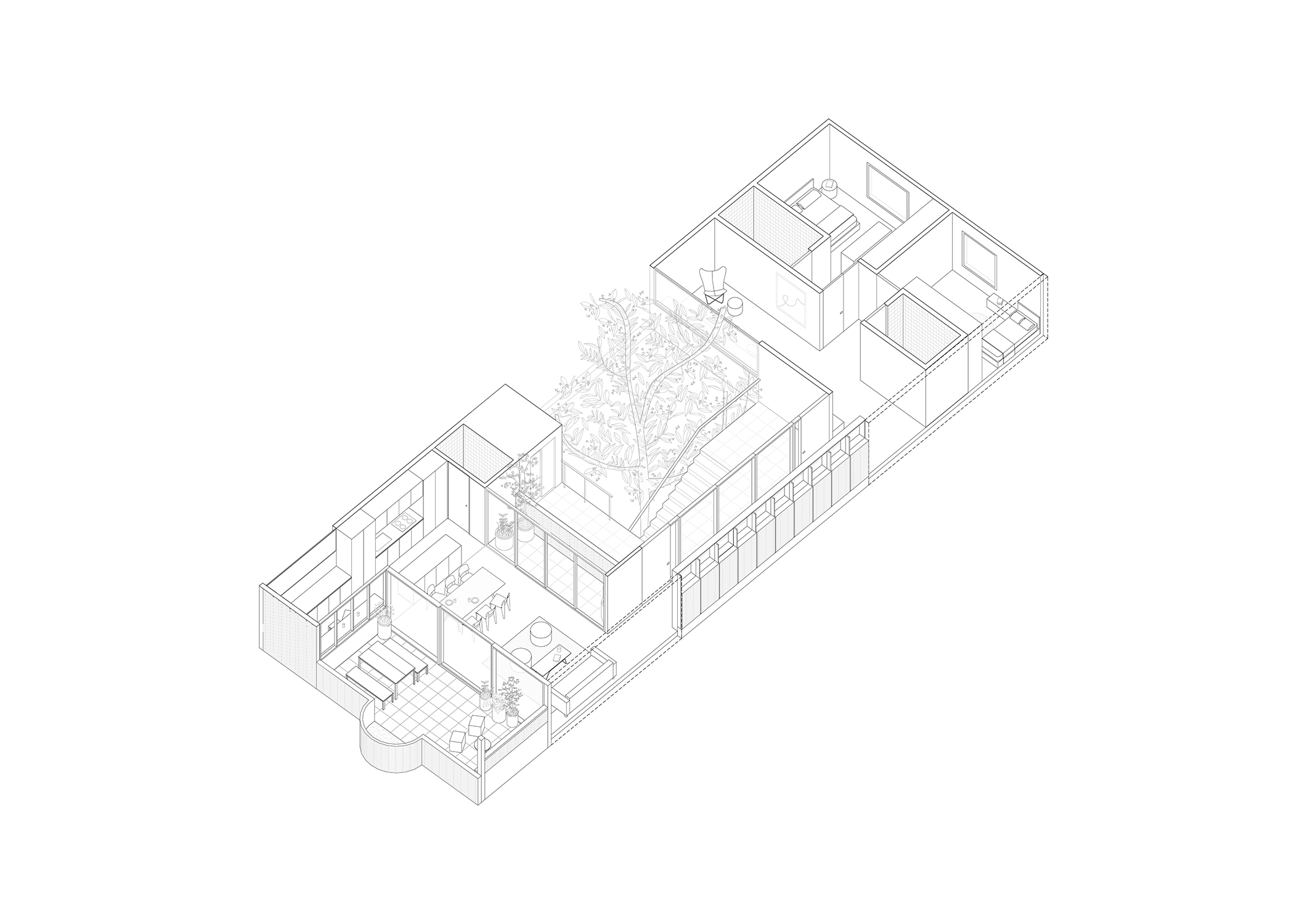
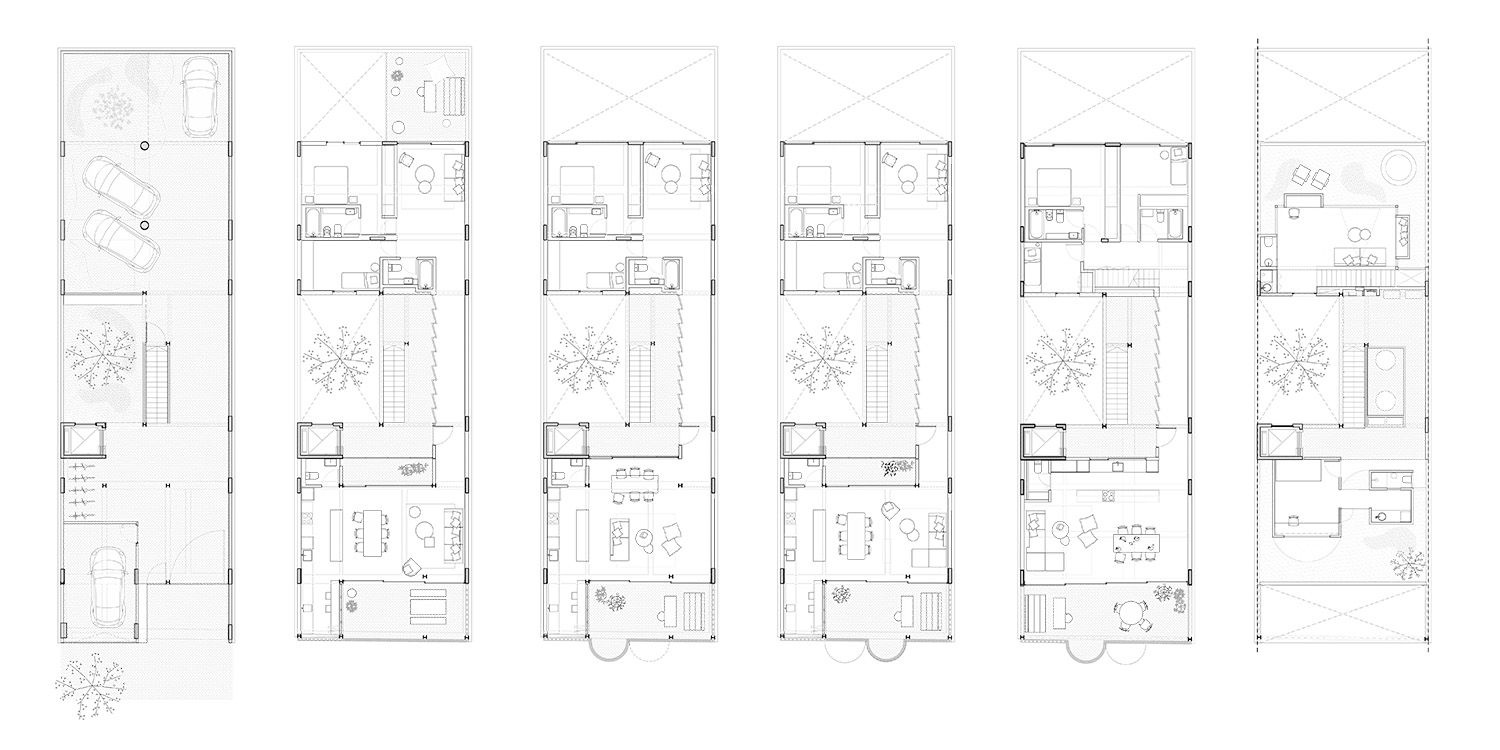
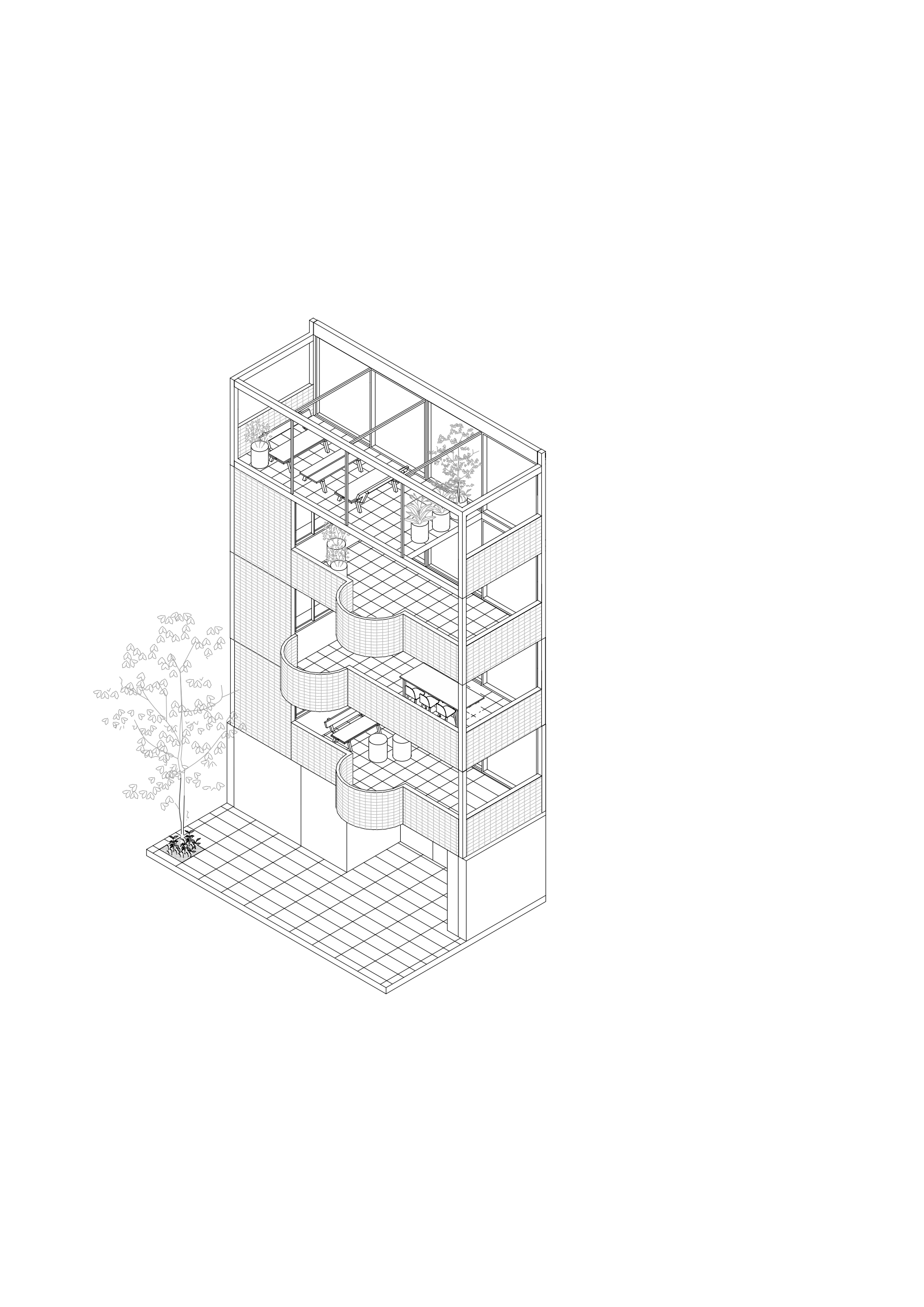
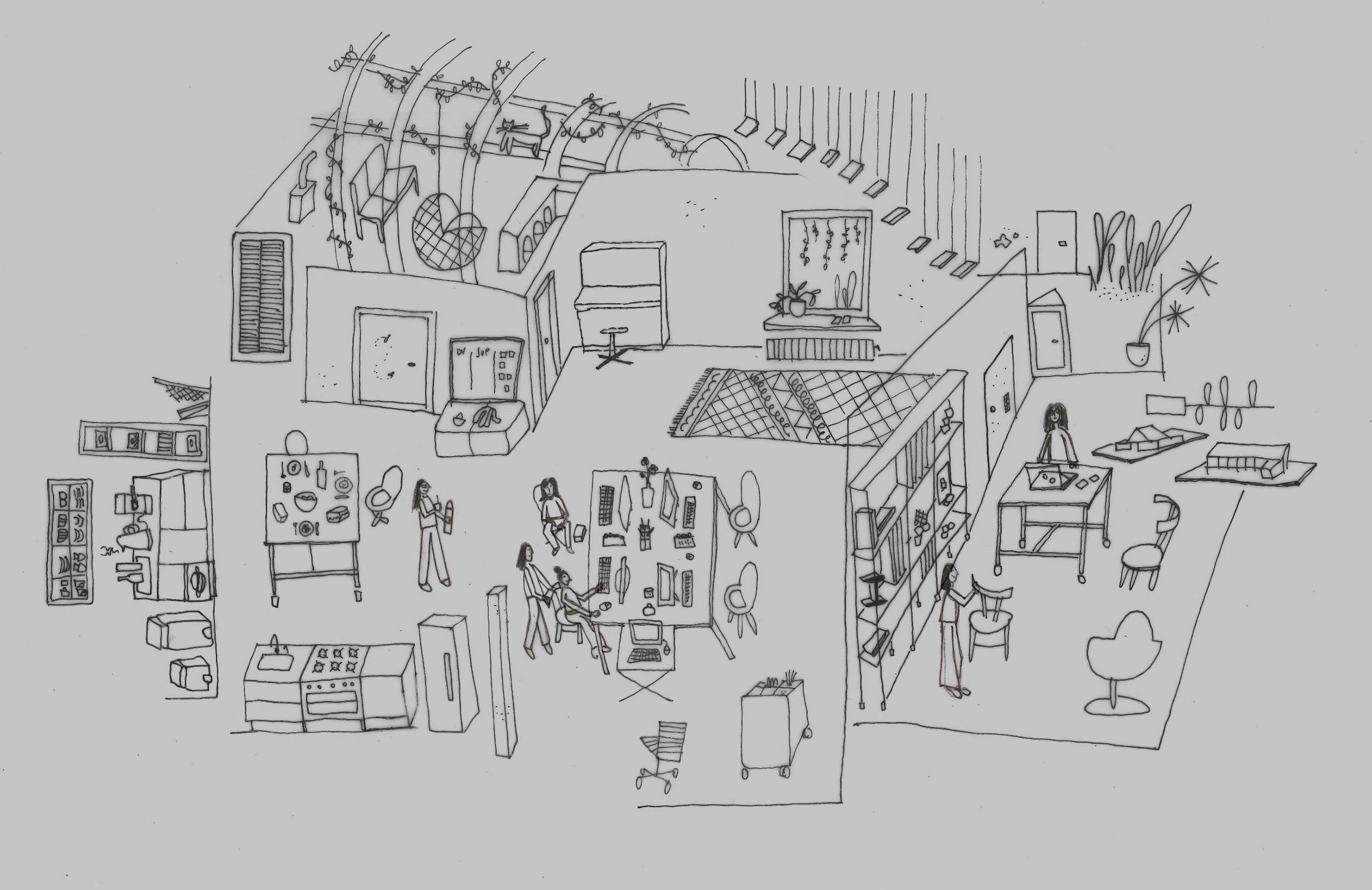
The project is inserted in a block of Saavedra that borders one of the largest and most open green lungs of the City of Buenos Aires. Each home is developed on one floor to unfold throughout the lot in relation to the path of the sun. The most sociable space is located in front and in relation to the park. It is removed from the municipal line to generate a deep semi-covered expansion that takes 3 of the 4 modules into which the façade is divided. One of these is formed at one end as a kitchen interior to generate an everyday connection between domestic life and the view of the park. The rear block, to the east, contains the more intimate living spaces and bedrooms. These two worlds are connected through a horizontal circulation that breaks with the idea of a traditional hallway and is projected in relation to the entry of natural light through a succession of brick walls arranged diagonally that allow different views depending on how you walk through it.
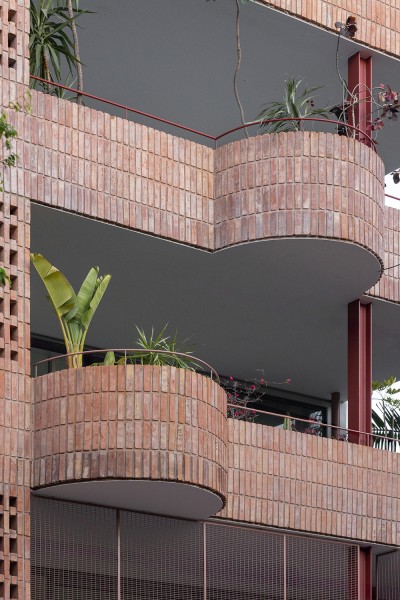
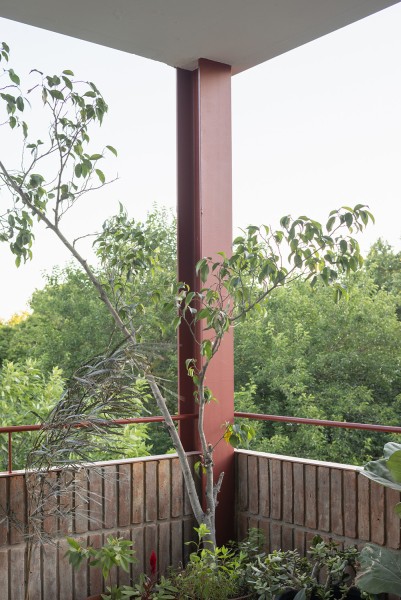
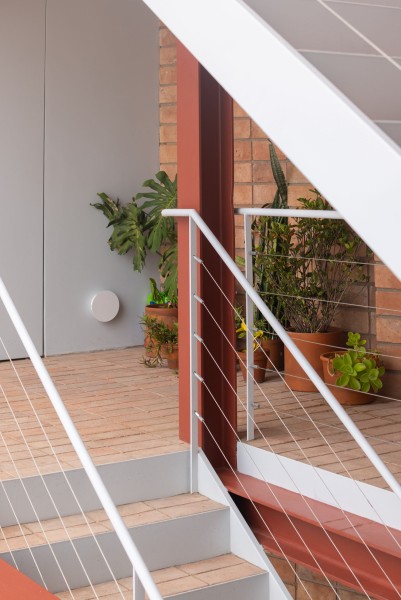
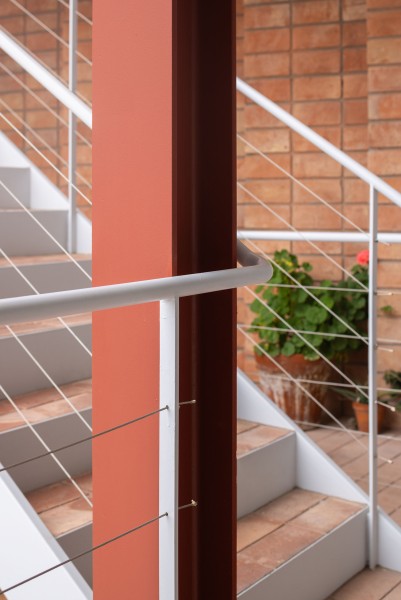
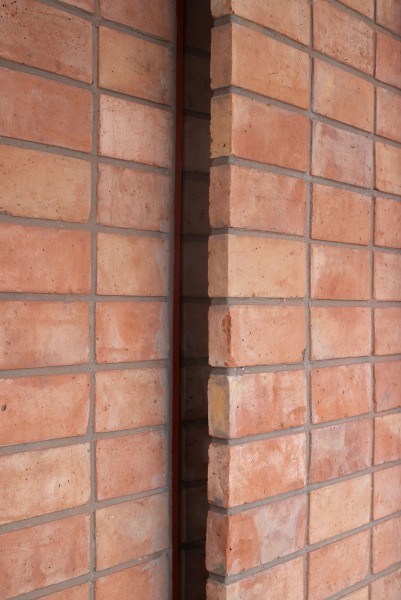
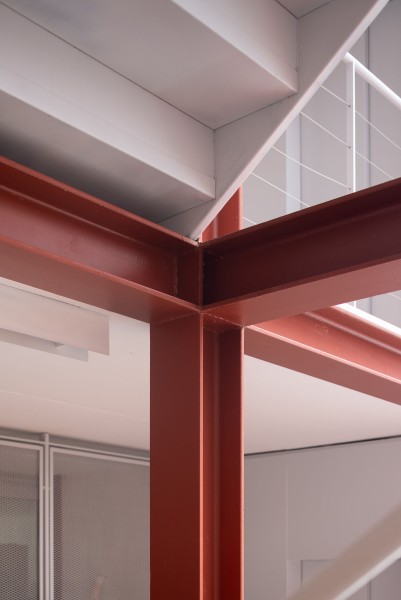
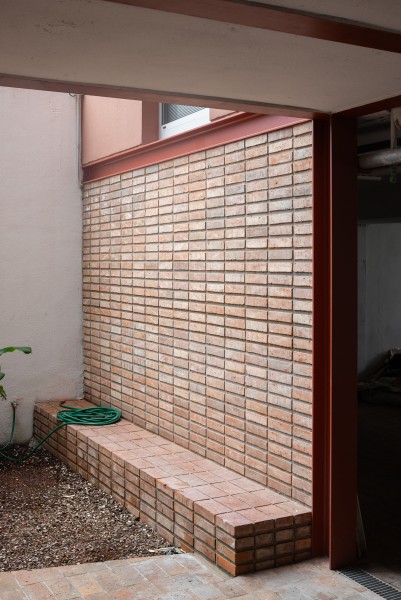
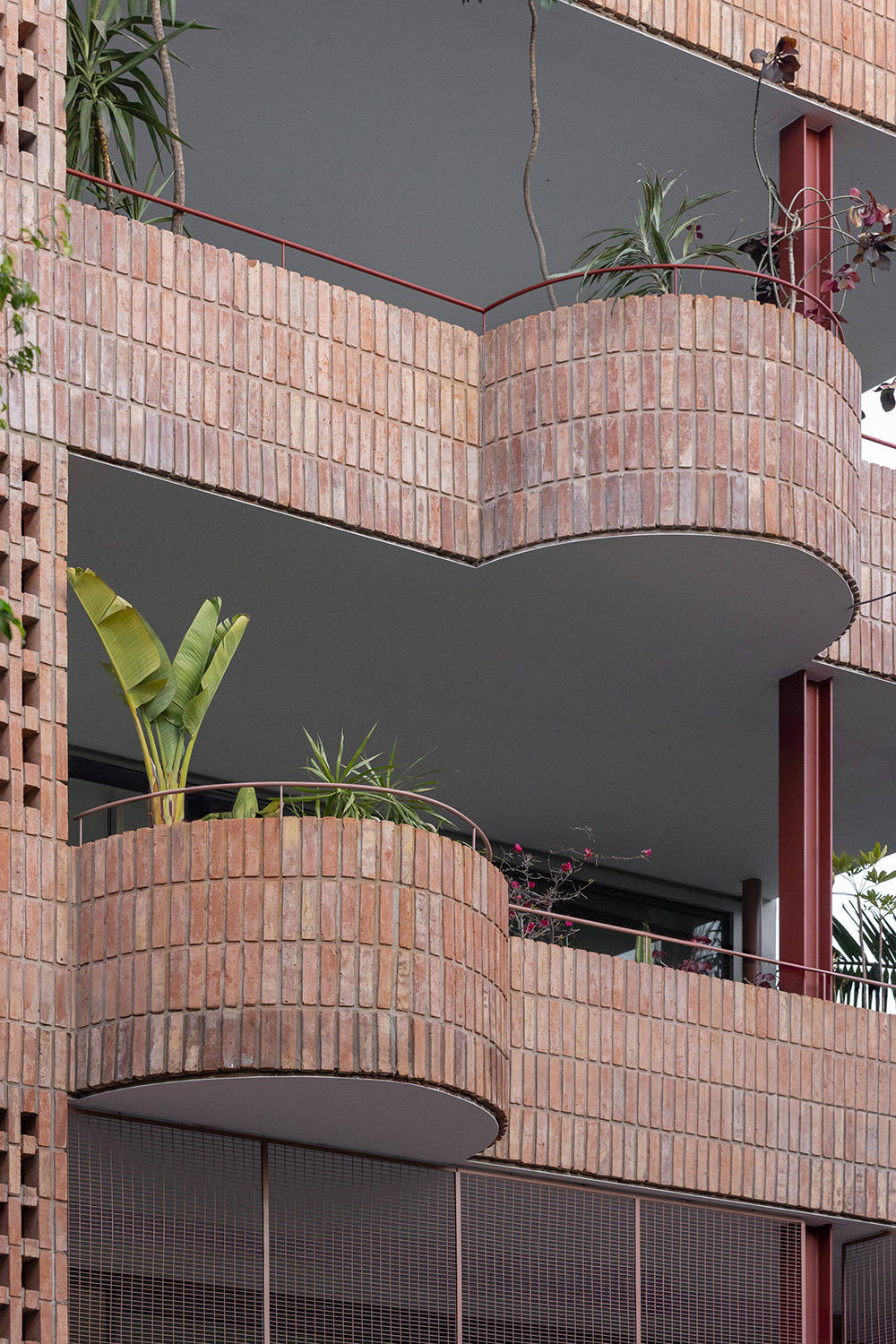
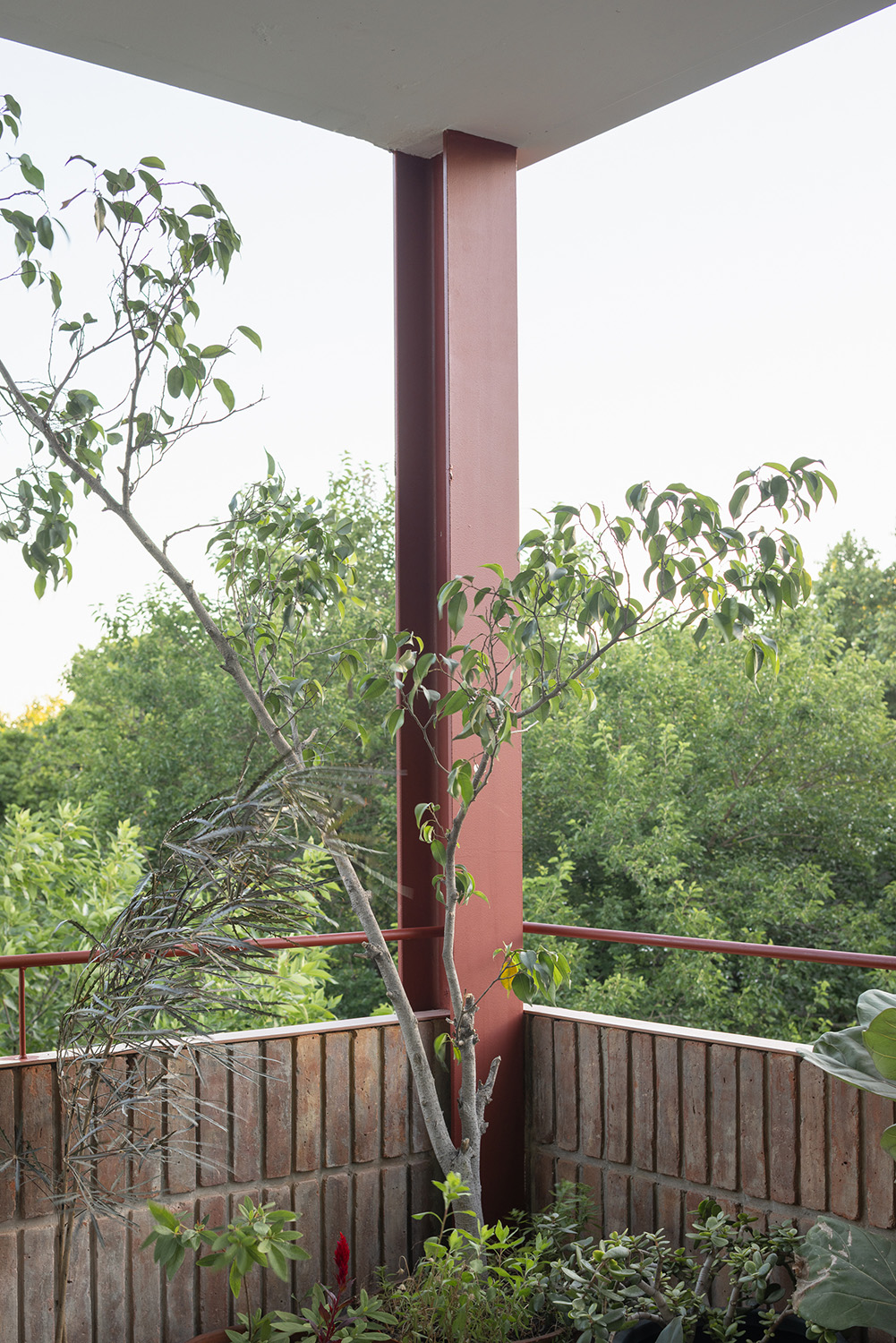
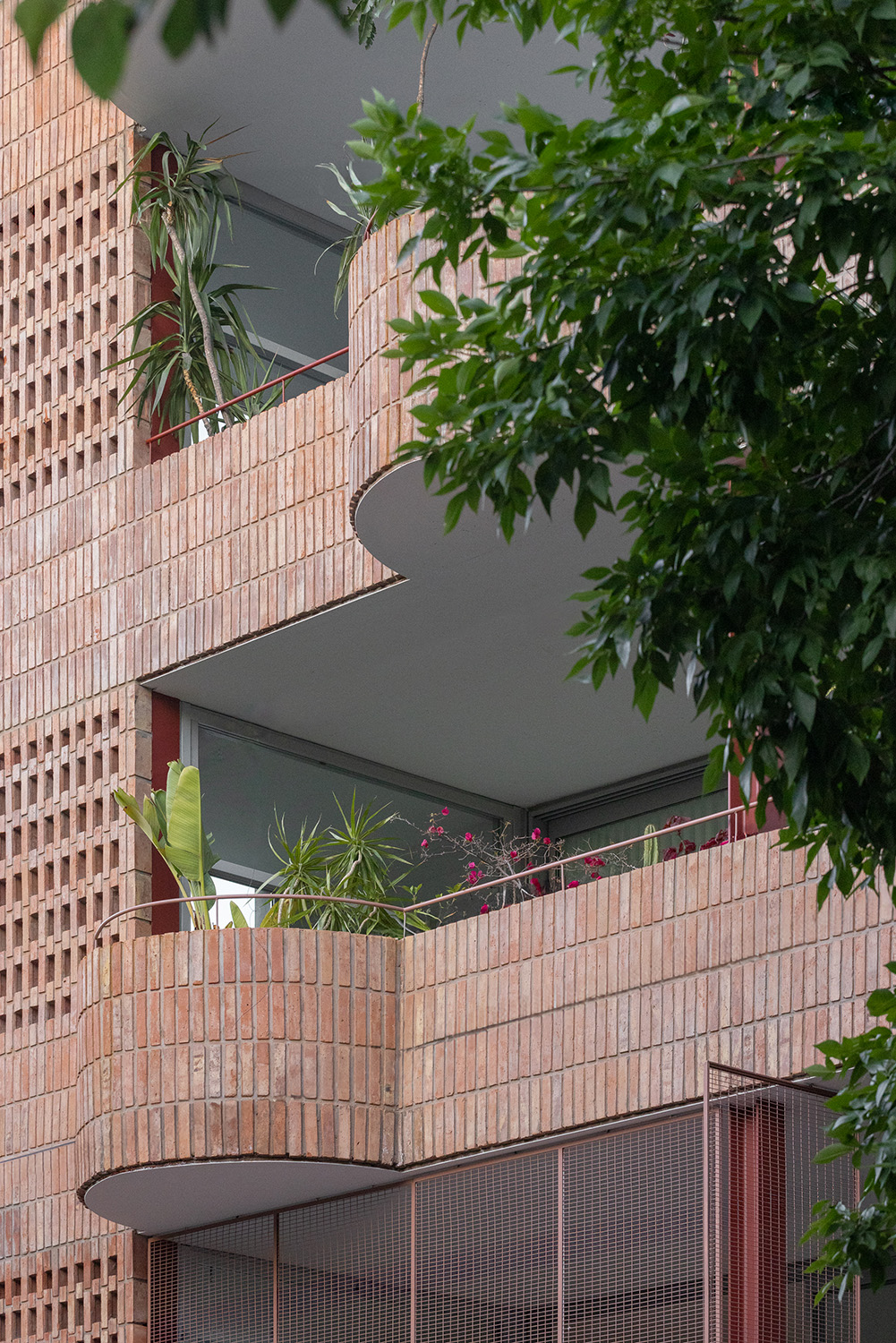
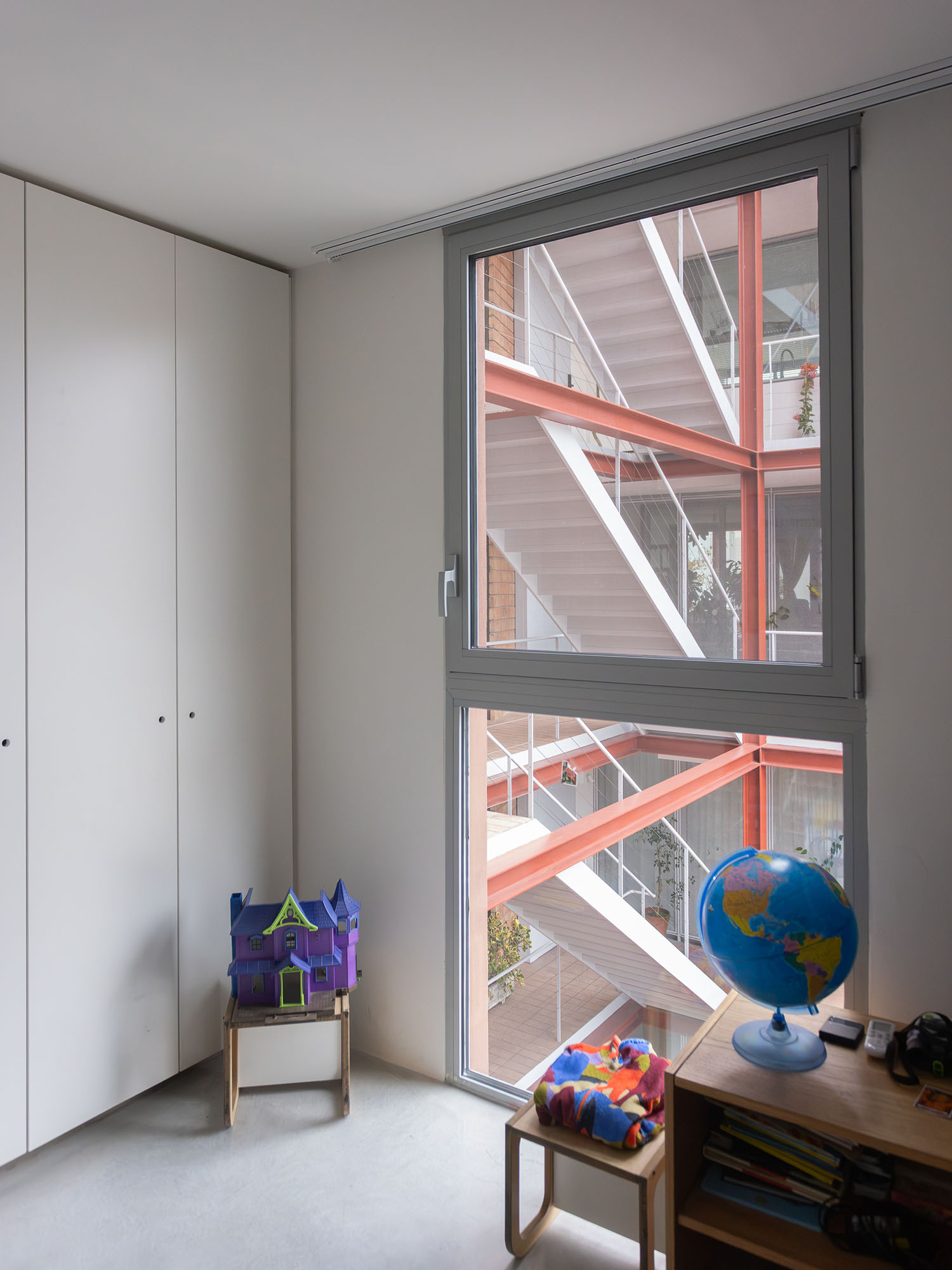
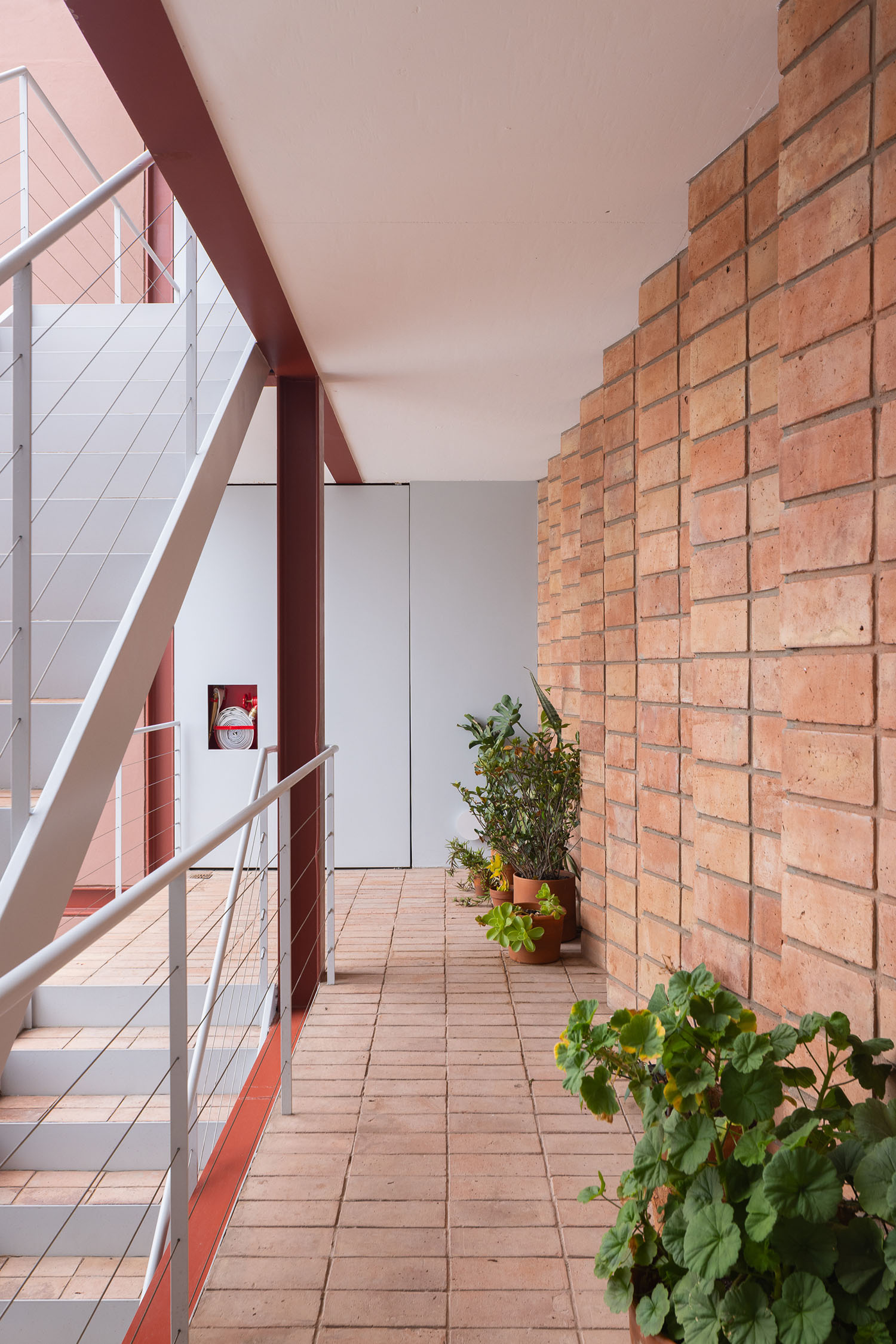
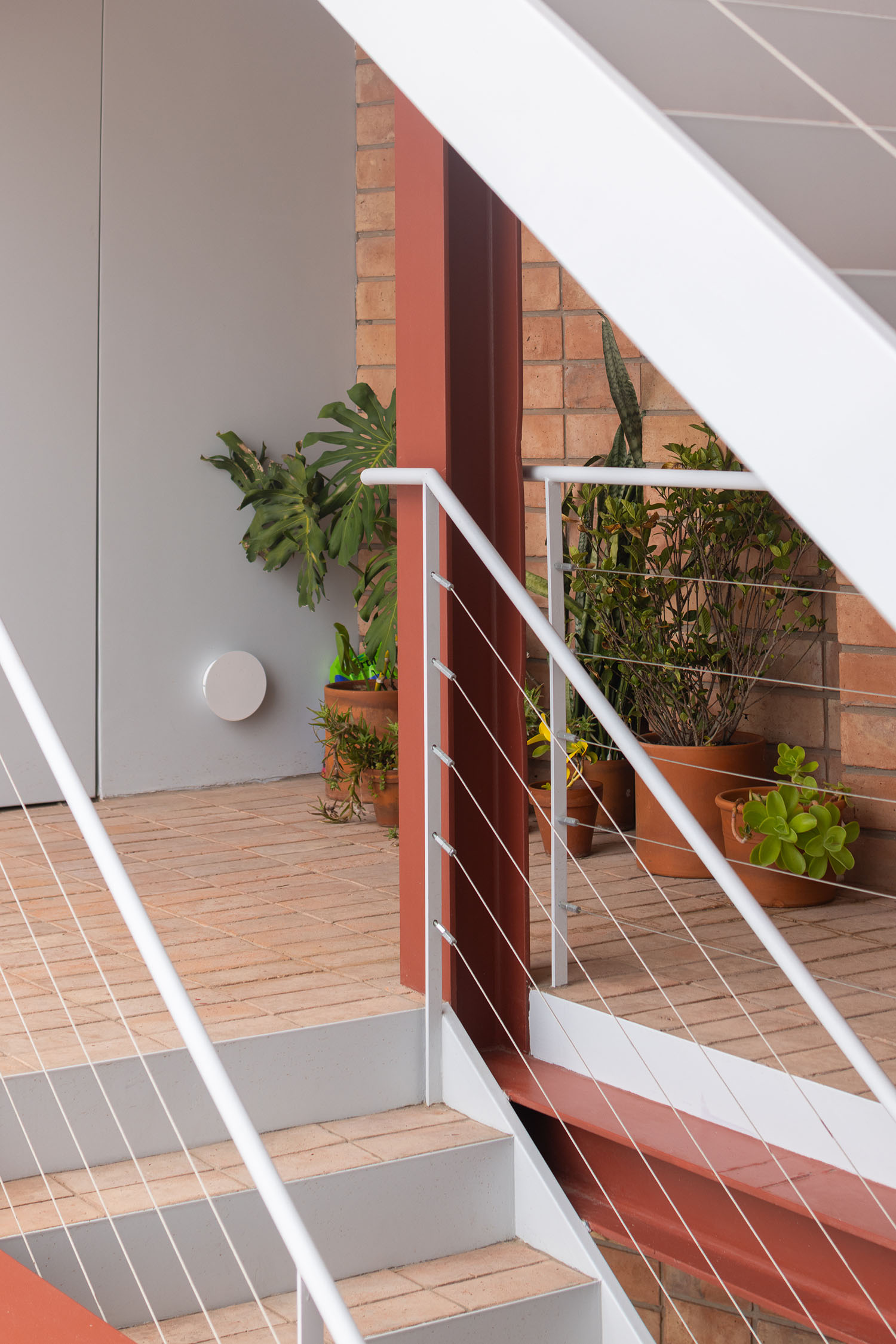
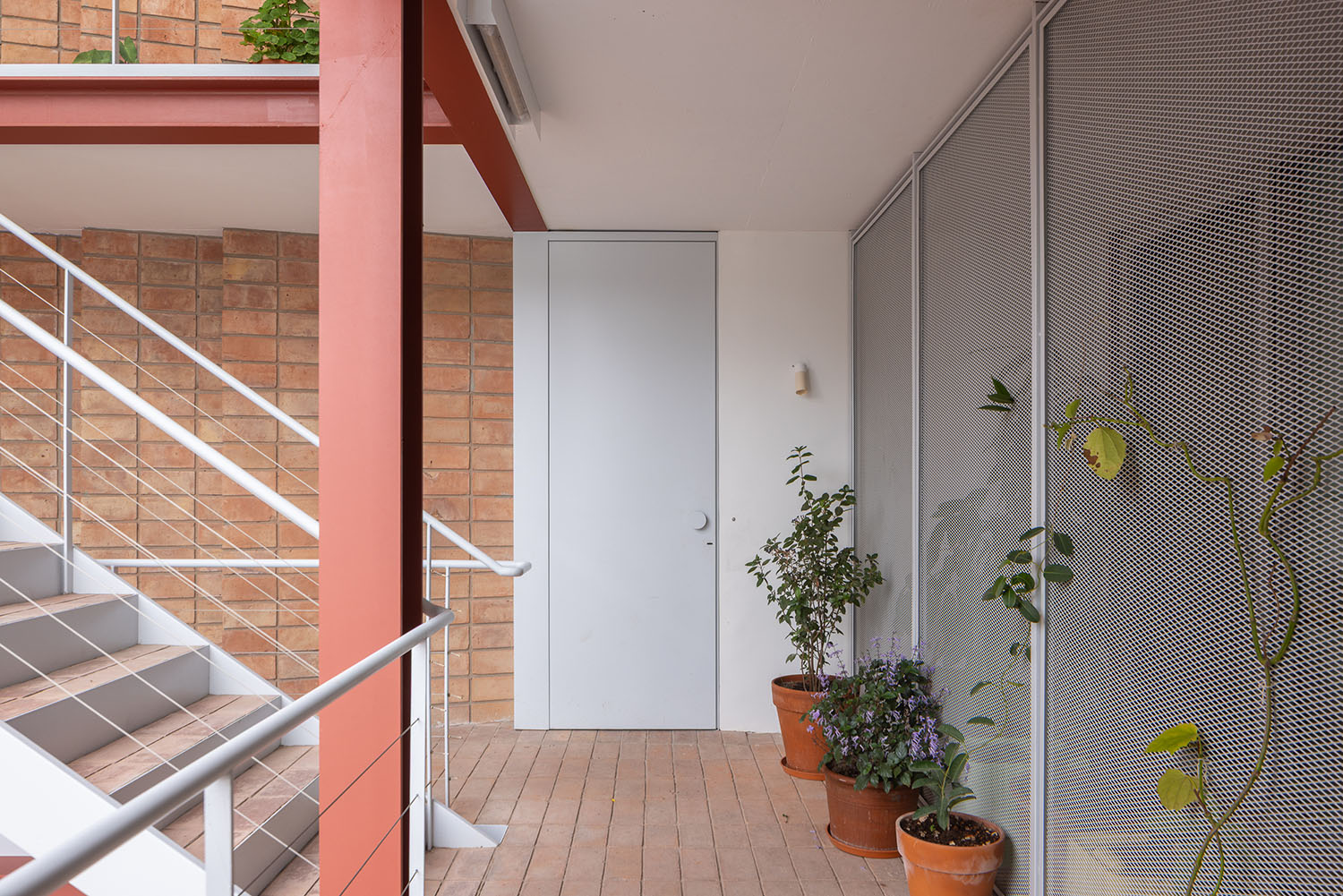
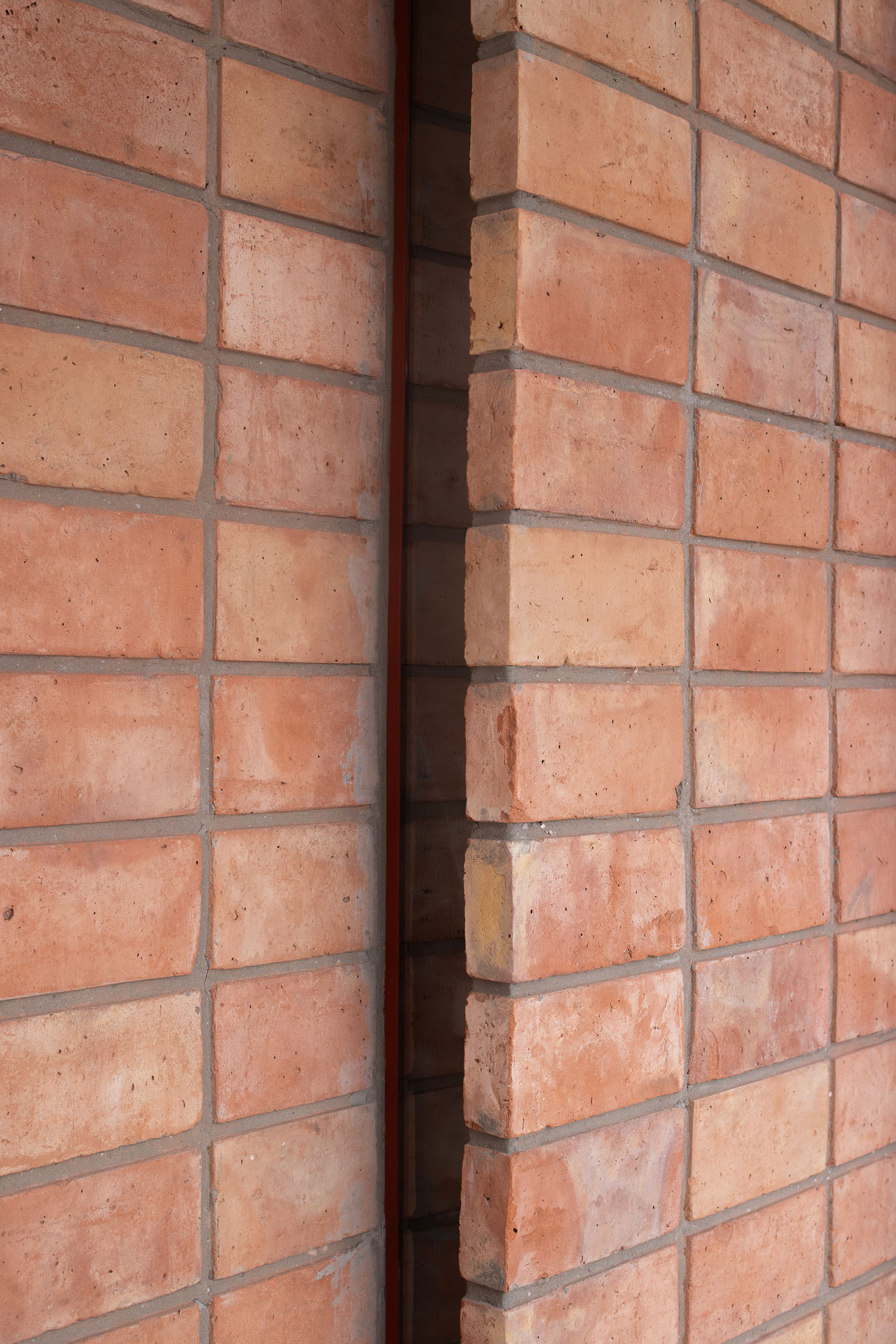
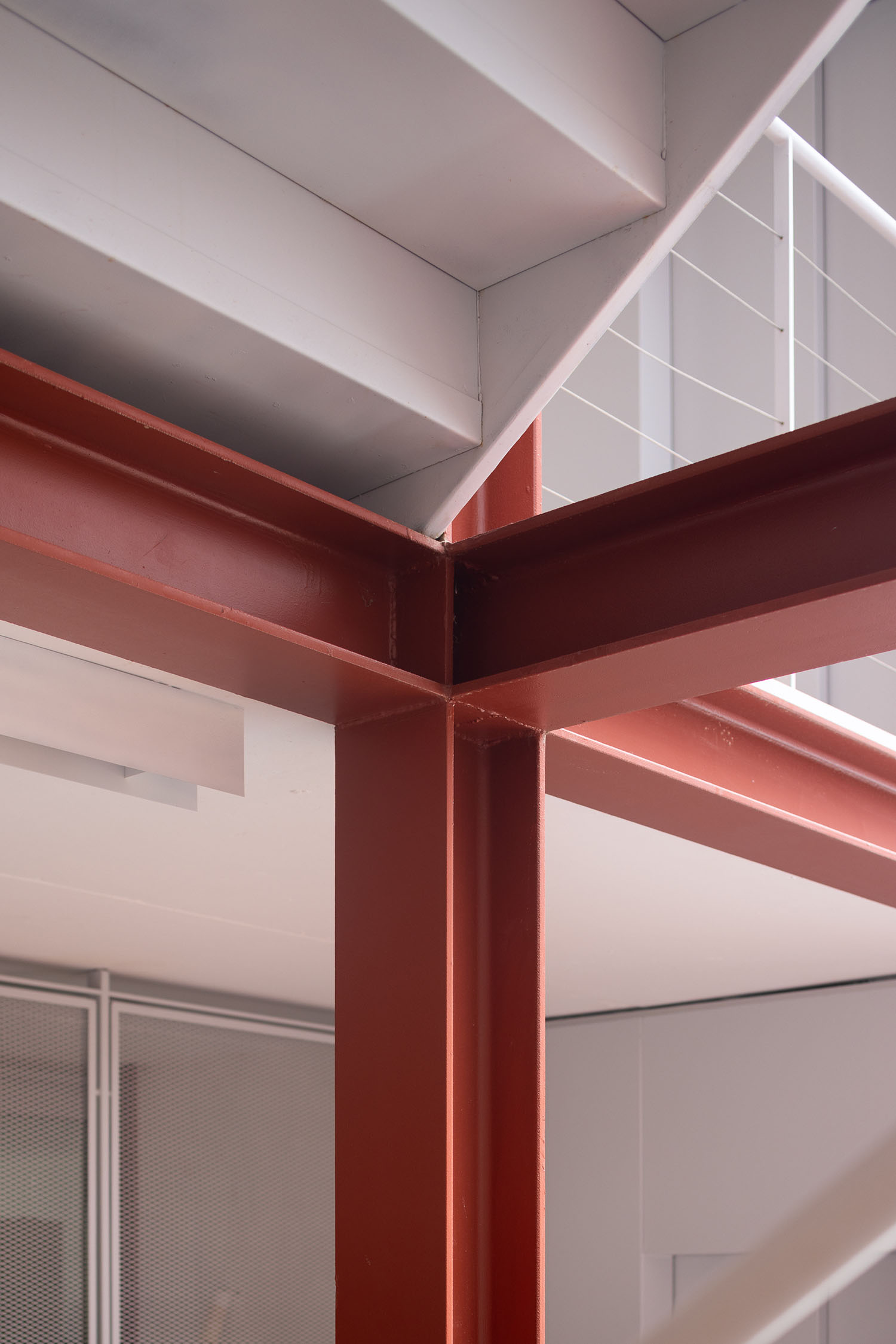
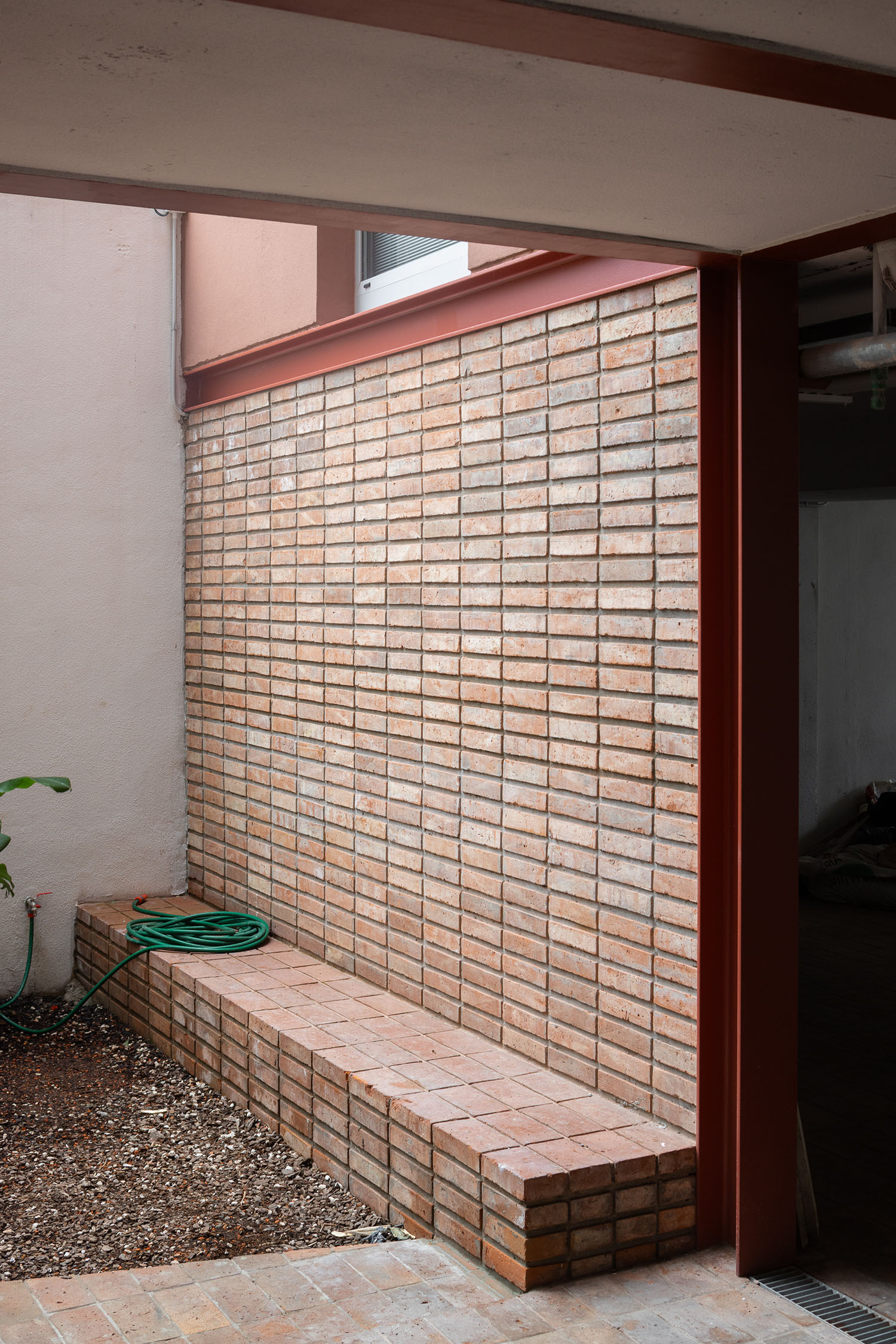
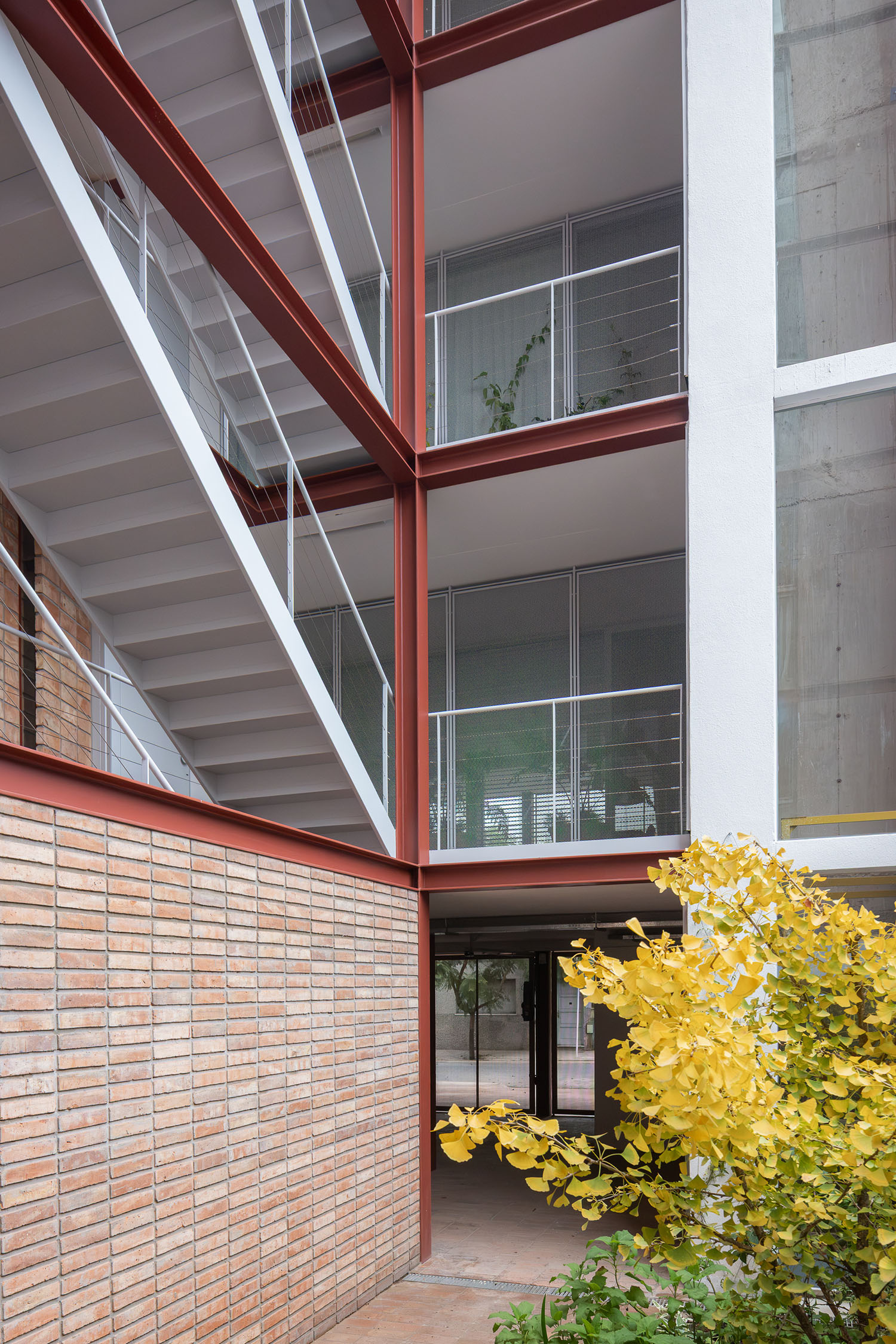
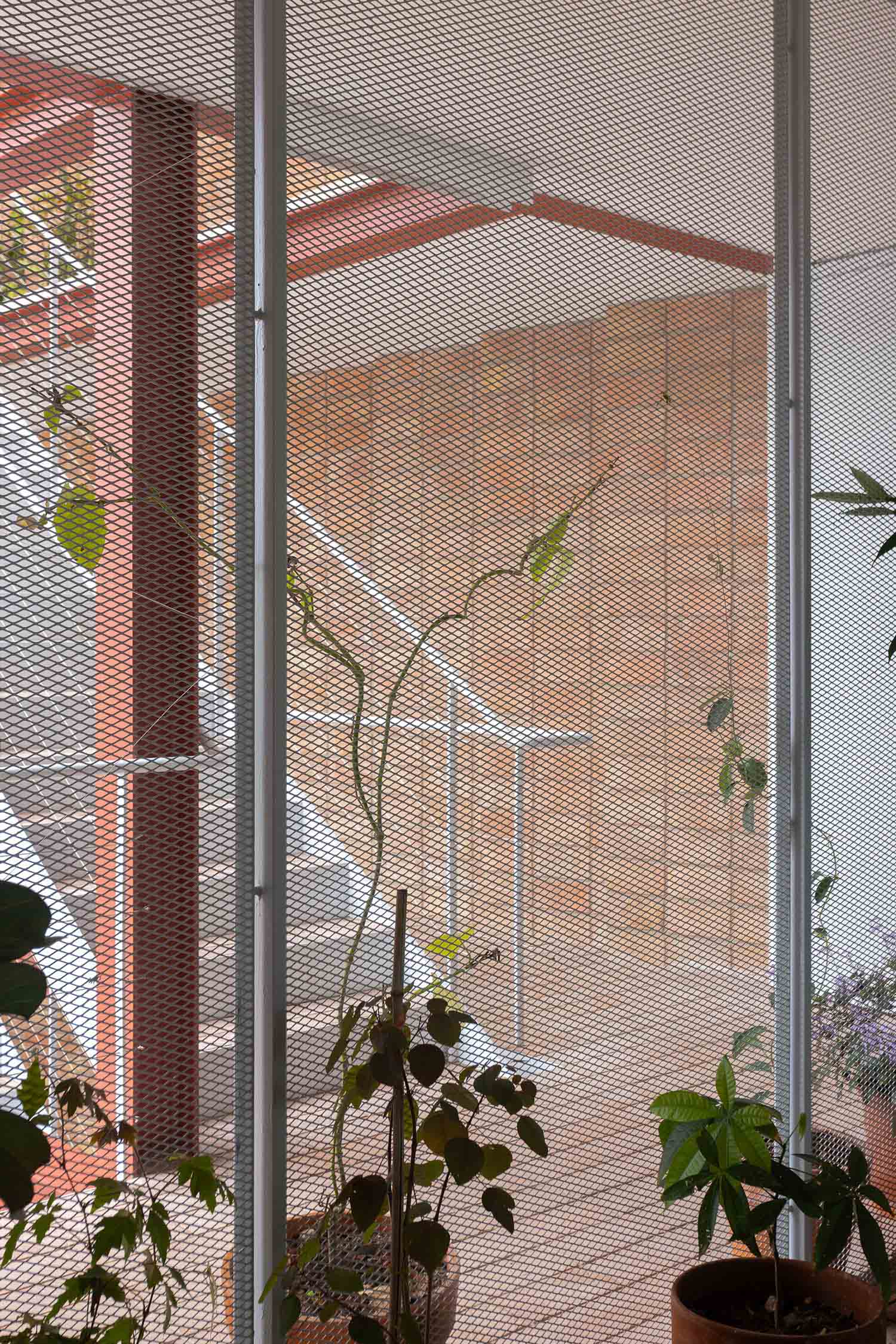
The front block also adds to the expansions, some semicircles of grass that fly over the sidewalk as a nod to the park, some viewpoints offset in height. The materialization arises from working with masonry and testing its obstacles to generate sieves of light and intimacy. The construction system is mixed in search of continuity between slabs without beams and with metal columns to generate the greatest possible visual breadth.
Mutar is an architecture studio founded in Buenos Aires in 2015 by Lucila Ottolenghi, Natalia Kahanoff, Luciana Casoy, and Florencia López Iriquín. Their practice focuses on housing as a realm for exploring spatial, material, and social dimensions across various scales. They work on both new construction and the transformation of existing structures, approaching each project based on the specific conditions of the site and its inhabitants, as well as the interplay between materiality, structure, spatiality, and architectural expression. Their practice also extends to teaching and research; they currently lead the "Project II: Everyday Rhythms and Community Building" course at Torcuato Di Tella University (UTDT) and teach at the Río de la Plata within the Faculty of Architecture, Design, and Urbanism at the University of Buenos Aires (FADU-UBA).
Website: Pinkus